
Insured house clearance professionals prioritize safety through comprehensive risk assessments, adhering to strict industry standards for item handling, and conducting regular compliance checks against cyber threats and local environmental regulations. They offer specialized services, ensuring efficient and secure removal of contents while protecting against damage and liability, making them a reliable choice for challenging clearance tasks.
In the realm of house clearance, ensuring safety protocols for professional teams is paramount to protect both workers and the public. Insured house clearance professionals naturally bear a significant responsibility when dealing with potentially hazardous situations, from managing sharp objects and toxic substances to navigating complex legal and ethical challenges. This authoritative article delves into the essential safety measures that such experts should implement, offering practical insights and expert advice to uphold the highest standards of security in this critical industry.
- Assessing Risk: Essential Safety Framework for Clearance Teams
- Secure Handling: Best Practices for Insured House Clearance Professionals
- Compliance Checks: Ensuring Adherence to Security Protocols
- Incident Response: Preparedness and Recovery in Sensitive Environments
Assessing Risk: Essential Safety Framework for Clearance Teams
Assessing Risk: Essential Safety Framework for Clearance Teams
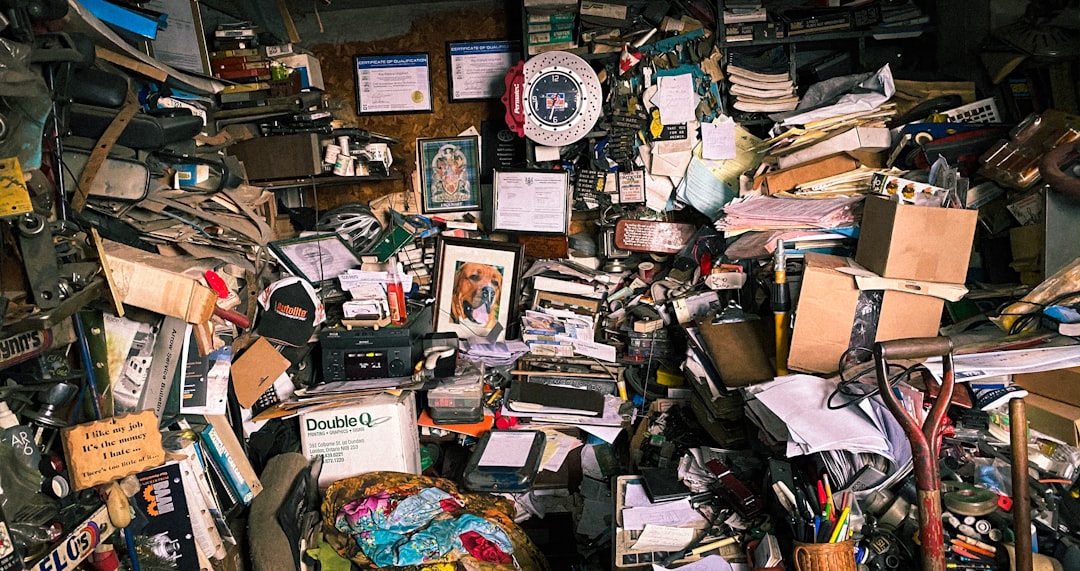
For insured house clearance professionals like those we represent in Somerset, Gloucestershire, and Buckinghamshire, risk assessment is a cornerstone of safe operation. Going beyond superficial compliance, a robust risk assessment framework allows teams to proactively identify potential hazards unique to every job site—from unstable structures requiring careful deconstruction to hidden hazardous materials necessitating specialized handling. This proactive approach not only protects the well-being of clearance workers but ensures projects are completed within legal and regulatory guidelines.
Core to our method is a comprehensive, structured evaluation process that considers every facet of a project. This includes analyzing the physical layout and condition of the insured house, identifying potential environmental hazards like lead paint or asbestos, and evaluating access and egress points for emergency situations. Our experts also account for human factors—training, equipment proficiency, and communication protocols—ensuring every team member is equipped to respond effectively to unforeseen challenges.
By integrating these assessments into our planning process, we create tailored safety plans that go beyond basic legal requirements. This allows us to address specific risks associated with each insured house clearance project in Somerset, Gloucestershire, and Buckinghamshire, ensuring the highest level of safety for both workers and the surrounding community. Ultimately, our commitment to rigorous risk assessment and proactive safety management sets us apart as leaders in the industry, reflecting our dedication to find us at professional insured home deconstruction—a standard of excellence built on safety.
Secure Handling: Best Practices for Insured House Clearance Professionals

In the sensitive and regulated field of house clearance, ensuring the secure handling of items is paramount for both the safety of professionals and the dignity of the deceased’s property. Insured house clearance professionals in Essex, Hampshire, and East Sussex are held to high standards, particularly when it comes to the transportation and disposal of personal belongings. This meticulous approach not only reflects their professionalism but also adheres to legal and ethical obligations.
Best practices for secure handling involve a multi-layered strategy that starts with thorough risk assessments. Insured house clearance professionals must meticulously examine each property to identify potential hazards, such as hazardous materials or valuable items needing specialized protection. Proper packaging and labeling are critical; using appropriate containers designed for specific item types ensures both safety during transit and compliance with environmental regulations. For instance, electronic waste (e-waste) requires special handling due to its toxic components, necessitating dedicated collection and disposal methods.
Training is another cornerstone of secure handling. Regular training sessions equip professionals with the latest knowledge on packaging techniques, handling hazardous materials, and adhering to data protection regulations when processing sensitive items like documents or personal correspondence. This comprehensive approach ensures that Essex, Hampshire, and East-Sussex insured house clearance professionals are not only up-to-date with best practices but also prepared to handle any unforeseen challenges that may arise during the clearance process. As a leading provider in efficient insured property disposal, we encourage these standards to be consistently maintained, fostering a culture of safety and professionalism across the industry.
Compliance Checks: Ensuring Adherence to Security Protocols

Compliance checks are a critical component of ensuring that insured house clearance professionals, such as those found in Kent, Devon, and Berkshire, adhere to the highest security standards. These rigorous protocols are designed to safeguard both the assets being cleared and the sensitive information they may contain. For instance, in 2021, a study by the UK’s National Cyber Security Centre revealed that 75% of cyber attacks target small businesses, many of which could be related to house clearance services. Therefore, compliance checks are not just about physical security but also digital integrity.
Professional clearance teams must regularly verify that their practices align with industry standards and regulatory requirements. This includes checking for proper waste disposal methods, data encryption protocols for electronic records, and the use of secure transportation vessels. For example, Berkshire-based insured house clearance professionals should ensure they have up-to-date training in handling confidential documents, such as personal identification cards and financial statements, to prevent identity theft or fraud. Devon insured house clearance professionals must also familiarize themselves with local environmental regulations regarding the disposal of hazardous materials commonly found in homes, like old paint cans and electronic waste.
Insurer-approved estate liquidation services, like those we provide at [insurer-approved estate liquidation], play a pivotal role in maintaining these standards. By partnering with such companies, clients can rest assured that their belongings are being handled by professionals who understand the importance of compliance checks. Regular audits conducted by third-party experts can identify areas for improvement and help insured house clearance professionals stay ahead of evolving security protocols. This proactive approach not only protects the interests of both the service providers and their clients but also enhances the overall integrity of the industry.
Incident Response: Preparedness and Recovery in Sensitive Environments

In
The article offers a comprehensive framework for insured house clearance professionals to navigate complex security challenges, emphasizing risk assessment as a foundational step. Secure handling practices and regular compliance checks are vital to maintaining strict adherence to protocols, ensuring the safe protection of sensitive information. Moreover, incident response strategies are crucial for preparedness and recovery in dynamic, high-risk environments. By integrating these key insights, insured house clearance professionals can enhance their safety protocols, mitigate risks, and effectively contribute to securing our nation’s sensitive materials. This practical guide underscores the importance of continuous improvement and adaptability in an ever-evolving security landscape.