Tiny homes are gaining popularity as a sustainable and cost-effective living solution. However, their unique size and layout can present challenges for clearance after an insured event, like a fire or flood. Traditional clearance methods often fall short, leading to delays, additional costs, and potential legal issues. Insured house clearance professionals are specifically trained and equipped to handle the specialized needs of tiny homes, ensuring a smooth and efficient process. This article examines the intricacies of tiny home clearance, exploring legal considerations, specialized services, and the crucial role of professionals in ensuring a seamless transition for homeowners.
- Understanding Tiny Home Clearance Requirements
- The Role of Insured House Clearance Professionals
- Legal and Insurance Considerations for Tiny Homes
- Efficient Disposal: Step-by-Step Tiny Home Clearance
- Maximizing Value: Tiny Home Asset Recovery Strategies
- Best Practices for Safe, Insured Tiny Home Deconstruction
Understanding Tiny Home Clearance Requirements
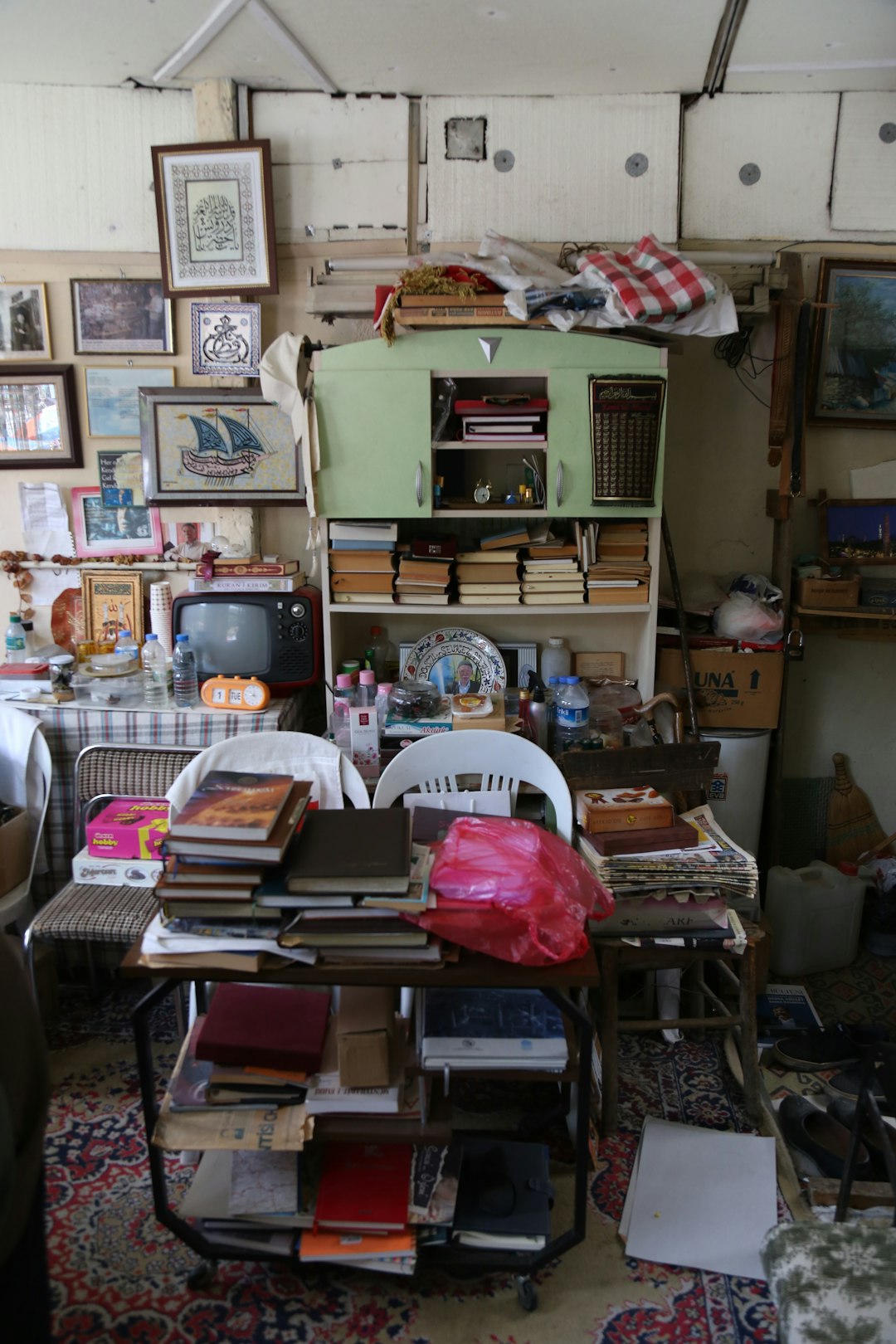
For tiny homes, clearance processes can be more complex than with traditional properties. This is due to their unique size, layout, and often specialized construction materials. Insured house clearance professionals are well-equipped to handle these challenges, ensuring a smooth transition for tiny home owners, especially following an insured event. The first step in the process involves assessing the specific requirements of the tiny home, which may include unique features like modular construction or custom finishes. These details are crucial, as they impact disposal methods and potential recycling opportunities.
A tiny home built with sustainable materials may be eligible for recycling programs, diverting waste from landfills. However, this requires proper identification and segregation of materials, which is where experienced professionals come in. They can guide owners through local regulations and waste disposal options, ensuring compliance and maximizing environmental benefits. Tiny homes often present storage and access challenges due to their compact nature. Clearance teams must consider these factors, employing specialized equipment and techniques to navigate tight spaces safely.
In cases of insured damage, the role of professionals becomes even more critical. They work closely with insurance adjusters, property managers, and owners to determine the extent of damage and facilitate a swift and efficient cleanup. This includes managing the removal of any hazardous materials, such as water-damaged drywall or contaminated insulation, ensuring the safety of everyone involved. By understanding the unique needs of tiny homes, insured house clearance professionals can offer tailored solutions, making the clearance process efficient and cost-effective while adhering to local regulations and industry best practices.
When considering a tiny home clearance, it's essential to engage with specialists who have experience in this niche. They can provide valuable insights into the specific requirements of your property, ensuring a seamless transition during what can be a challenging time. Remember, the right team can make all the difference, offering peace of mind and a smoother process for tiny home owners, especially when dealing with insurance claims.
The Role of Insured House Clearance Professionals

Insured house clearance professionals play a vital role in managing the complex process of removing and disposing of contents from a home, especially in the context of insurance claims and settlements. These experts are trained to handle situations where homes require clearance due to various reasons, such as damage, repairs, or even death of the owner. Their expertise lies in navigating the legal and regulatory aspects while ensuring a smooth and efficient clearance process.
When a property is damaged due to insured events like floods, fires, or storms, professionals step in to assess the situation. They work closely with insurance adjusters to determine the extent of the loss and create a detailed inventory of the items that need to be removed. This meticulous process is crucial for accurate insurance claims and subsequent repairs or replacements. A house in Bedford damaged by a recent flood may require specialized clearance services to ensure the safety and integrity of the remaining structure while removing water-damaged belongings.
Professionals are well-versed in estate planning and probate laws, making them invaluable in cases where a home needs to be cleared after the owner's passing. They handle the sensitive task of sorting through personal belongings, ensuring proper disposal or distribution according to legal and familial requirements. In scenarios where a family home in Nuneaton is being cleared for sale or relocation, these professionals can assist with the emotional and logistical aspects, allowing family members to grieve and make decisions without the burden of managing a complex clearance process.
The services offered by these professionals extend beyond simple removal. They often include debris management, recycling, and even waste disposal, ensuring that the process is environmentally responsible. In the case of a house in Surrey undergoing major renovations, insured house clearance specialists can manage the removal of old materials and furniture, facilitating a sustainable transition to a newly constructed home.
Many professionals offer post-clearance support, such as security services to protect the property during the clearance process and property management services to assist with the transition after the work is complete. This comprehensive approach ensures a seamless experience for clients, especially in high-pressure situations like insurance-related clearances. By visiting us at insurer-approved estate liquidation, clients can benefit from experts who understand the nuances of insurance-approved property disposal, ensuring a smooth and efficient process.
Legal and Insurance Considerations for Tiny Homes

Navigating the legal and insurance landscape surrounding tiny homes can be a complex task, even for experienced property owners. As these miniature abodes gain popularity, understanding the nuances of clearance and disposal becomes increasingly important. Professionals, with their expertise in managing property liquidations, play a crucial role in ensuring a smooth process. For tiny homes, several factors come into play, from local regulations to specific insurance policies.
One of the primary concerns is the unique legal status of tiny homes. In many areas, they may fall into a gray area, not entirely classified as traditional residential structures. This can lead to variations in zoning laws, building codes, and permit requirements. A tiny home in a rural area might face different regulations than one in an urban setting. Insured house clearance experts stay abreast of these local rules, ensuring compliance throughout the process. They can guide clients on obtaining necessary permits, understanding building regulations, and adhering to safety standards, thereby avoiding potential legal pitfalls.
Insurance coverage is another critical aspect. Tiny homes, especially those used as primary residences, require tailored insurance policies to adequately protect them. Standard homeowners' policies may not offer sufficient coverage for these compact abodes. Professionals often collaborate with insurance adjusters and risk management associations to assess the value of the property and recommend appropriate coverage. They can also facilitate claims processing, ensuring that clients receive fair compensation for their tiny home, its contents, and any associated losses.
Consider a client in Bedford who experiences a fire in their tiny home. An insured house clearance specialist can assist in documenting the damage, working with insurance adjusters to determine the scope of the loss. They can then facilitate the removal and disposal of the damaged structure, ensuring that all waste is handled according to local regulations and environmental standards. They can help the client find a temporary relocation solution, providing support from initial assessment to final clearance.
In cases of insured losses, these professionals are invaluable. They can coordinate with property management services, relocation specialists, and even psychological support teams to ensure a comprehensive and stress-free experience. By involving insured house clearance experts early in the process, homeowners can confidently navigate the complexities of insurance claims and property disposal, leading to a more efficient and positive outcome.
Efficient Disposal: Step-by-Step Tiny Home Clearance
Efficient professionals are crucial when downsizing to a tiny home. This process requires meticulous planning, specialized equipment, and adherence to legal and environmental regulations. The key to a smooth transition lies in a step-by-step approach that considers both the unique challenges of tiny homes and the specific needs of the residents.
The first step involves assessing the tiny home's contents. This includes personal belongings, furniture, appliances, and any valuable items. Professionals will often collaborate with clients to categorize these items, determining what stays, goes, or requires special handling. They might suggest donating usable goods to local charities or recycling centers, which can be tax-deductible benefits for the owner. Some items, especially those with sentimental value, may require sensitive handling and personalized disposal methods.
Once the inventory is organized, the clearance team can begin the physical process. This involves safely removing debris, disassembling furniture if necessary, and transporting items to their designated destinations. Professionals use specialized equipment like dollies, ladders, and flatbed trucks to ensure everything is handled with care, especially fragile or bulky items. For tiny homes, which often have limited space, efficient storage and packaging become paramount.
After the physical clearance, professionals may assist with post-clearance tasks. This includes securing the property, changing locks, and arranging for any necessary repairs or renovations. They might board up windows or doors to protect the space until the new occupants move in. In some cases, especially when dealing with insured properties, professionals may coordinate with insurance adjusters and risk management associations to ensure all clearance activities comply with policy requirements and local regulations.
Finally, find us at safe insured property disposal specialists ensure that all waste is disposed of responsibly and in accordance with environmental laws. This might involve recycling, repurposing, or safe disposal of hazardous materials, ensuring the tiny home's former location is left clean and safe. By following these structured steps, efficient professionals can make the transition to a tiny home seamless, allowing residents to focus on their new, downsized lifestyle.
Maximizing Value: Tiny Home Asset Recovery Strategies
When downsizing to a tiny home, effective asset recovery strategies are crucial for maximizing the value of your belongings. Professionals are experts in navigating the unique challenges of tiny homes, ensuring that every item is handled with care and maximized for its potential. Unlike traditional house clearances, tiny homes present compact spaces with diverse, often specialized contents-from compact furniture to unique fixtures.
Professionals approach tiny home asset recovery with a tailored strategy. They begin by assessing the property's layout and contents, identifying valuable items like antique furnishings, quality appliances, or even specific tools and equipment. A tiny home might house a well-maintained workshop, containing tools that could be valuable to tradespeople. Insured house clearance experts can assess these tools' condition and potential resale value, ensuring that they are properly disposed of or sold for the highest return.
These professionals understand the importance of efficient storage and organization in tiny homes. They employ specialized techniques to pack and transport items, maximizing the limited space available. They might employ compact storage solutions, vacuum packing for textiles, or disassembling furniture for easier transport. This meticulous approach ensures that the tiny home's new owner receives the maximum value from every piece.
Insurers often require a detailed inventory of contents for tiny homes, especially when dealing with valuable items. Professionals can provide this inventory, ensuring a smooth transition and protecting both the homeowner and the insurance company. By documenting each item's condition, location, and value, they facilitate a transparent and efficient claims process. Their expertise in local market conditions and resale trends helps homeowners make informed decisions about keeping, selling, or donating items, ensuring the highest possible recovery.
Consider a case where a tiny home owner, planning a cross-country move, sought the assistance of an insured house clearance professional. The expert assessed the property, identified valuable antiques and artwork, and carefully packed and labeled each item. They then connected the homeowner with a specialized buyer, ensuring a fair and quick sale. The remaining contents were responsibly donated to a local charity, supporting the community while maximizing the environmental impact. This holistic approach-from assessment to disposal-demonstrates the value of working with professionals for tiny home asset recovery.
For tiny home clearance, specialized professionals offer unparalleled expertise. Their tailored strategies, meticulous organization, and deep understanding of the local market ensure that every item is handled with care, maximizing its value and contributing to a successful transition to your new, smaller space.
Best Practices for Safe, Insured Tiny Home Deconstruction
For the deconstruction of tiny homes, safety and insurance compliance are paramount. Professionals are experts in navigating the unique challenges posed by these compact dwellings. The process requires meticulous care to ensure the safe removal of materials while adhering to local regulations and insurance requirements.
Professionals will assess the structure to identify potential hazards, such as asbestos or lead paint, which may necessitate specialized disposal methods. They employ trained teams equipped with personal protective equipment (PPE) and follow strict protocols for handling and disposing of these hazardous materials, preventing environmental and health risks. Many insured house clearance companies also offer recycling and waste reduction services, maximizing the sustainable aspects of the project.
One critical aspect is proper documentation and communication with insurance adjusters. Professionals are adept at working directly with insurance adjusters, ensuring that all necessary information is accurately documented for claims processing. This includes providing detailed assessments of the debris, cost estimates for removal and restoration, and proof of compliance with local and national regulations. When dealing with a claim for a tiny home damaged in a storm, the professional will assess the extent of the damage, determine the need for temporary repairs, and provide a transparent breakdown of costs for the insurance adjuster.
Finally, these professionals ensure a seamless transition for the homeowner. They offer post-clearance support, including temporary storage solutions, relocation assistance, and even psychological support for those experiencing the emotional impact of losing a home. By entrusting the deconstruction to professionals, homeowners can focus on rebuilding and moving forward. Give us a call at property cleanup for insurance adjusters to discuss your specific needs and ensure a smooth process.
Frequently Asked Questions About Clearance for Tiny Homes
What is the process for clearing a tiny home for insurance purposes?
When clearing a tiny home for insurance, the process involves several steps. First, we assess the damage or need for removal, which could be due to storms, fire, or other insured events. Next, we obtain the necessary permits and communicate with the insurance company to confirm coverage for the removal. We then safely remove all contents, deconstruct the home, and dispose of materials responsibly. Finally, we provide a detailed inventory of the removed items for the insurance claim.
How do I know if my tiny home needs to be cleared?
If your tiny home has sustained damage covered by insurance, such as from fire, storm, or water damage, it likely needs to be cleared. Even if there's minimal visible damage, it's best to consult with your insurance company and a professional to assess the extent of the loss and determine the best course of action, which often includes clearing and restoration.
What types of services do you offer for tiny home clearance?
We specialize in a comprehensive range of services for tiny home clearance, including:
- Safe deconstruction and removal: We have the expertise and equipment to safely dismantle and remove tiny homes, minimizing disruption to your property and surroundings.
- Content packing and storage: We carefully pack and store your personal belongings during the clearance process, ensuring their safety and accessibility.
- Insurance claim assistance: We work closely with insurance adjusters to expedite claims processing and ensure you receive the compensation you deserve.
- Disposal and recycling: We responsibly dispose of or recycle materials from the cleared tiny home, adhering to environmental regulations.
- Expert consultation: We provide expert advice throughout the entire process, answering your questions and guiding you through each step.
Are there any special considerations for clearing tiny homes?
Yes, several factors make tiny home clearance unique. Their small size requires specialized equipment and techniques for safe removal. We also need to be mindful of the environmental impact of their materials and work with you to recycle or dispose of them responsibly. Navigating insurance claims for tiny homes can be complex, so we offer expert assistance throughout the process.
How quickly can you complete the clearance process?
Most tiny home clearances can be completed within 1 to 3 days, depending on the size and complexity of the project. We work efficiently and diligently to minimize disruption to your life and maximize your insurance payout.
What happens to my belongings after the tiny home is cleared?
After clearing the tiny home, we carefully pack and store your personal belongings at a secure off-site location. You can choose to retrieve them later or, if necessary, we can assist you in disposing of or donating them.
Navigating the clearance of tiny homes requires a nuanced understanding of both legal requirements and efficient disposal practices. Professionals play a vital role in ensuring these processes are managed safely, legally, and with maximum asset recovery. By adhering to best practices for deconstruction, these experts can help owners minimize disruption and maximize the value of their tiny homes, especially when dealing with insurance claims.
Key takeaways include the importance of local regulations and insurance compliance, the integration of specialized services like estate planning and tax advice, and the step-by-step approach to efficient disposal. Each phase, from initial assessment to final cleanup, requires the expertise of professionals who understand the unique challenges of tiny homes.
The deconstruction process involves careful disassembly and sorting of materials, which can be optimized through asset recovery strategies. This not only reduces waste but also ensures valuable components are reused or recycled, contributing to sustainable practices. Working with professionals ensures that all work complies with local security, waste disposal, and property management regulations, protecting both the homeowner and the property.
Looking ahead, homeowners facing tiny home clearance should prioritize communication with professionals. Their expertise, coupled with a comprehensive understanding of the legal landscape, can streamline the process, ensuring a smooth transition from removal to potential redevelopment or repurposing of the space. By leveraging these insights, readers are equipped to make informed decisions, ensuring their tiny home clearance meets both legal and practical objectives.
Understanding Tiny Home Clearance Requirements
Professionals are essential for navigating complex tiny home clearances, offering tailored solutions based on unique features, local regulations, and environmental considerations. They guide owners through waste disposal, recycling, and storage challenges, especially after insured events. Their expertise ensures efficient, cost-effective, and compliant processes, maximizing asset recovery and minimizing environmental impact.
Best Practices for Safe, Insured Tiny Home Deconstruction
Professionals safely deconstruct tiny homes, adhering to regulations and insurance requirements. They assess hazards like asbestos or lead paint, employ specialized disposal methods, and document all processes for insurance adjusters. Their expertise offers seamless transitions, including post-clearance support, storage solutions, and psychological assistance for homeowners.