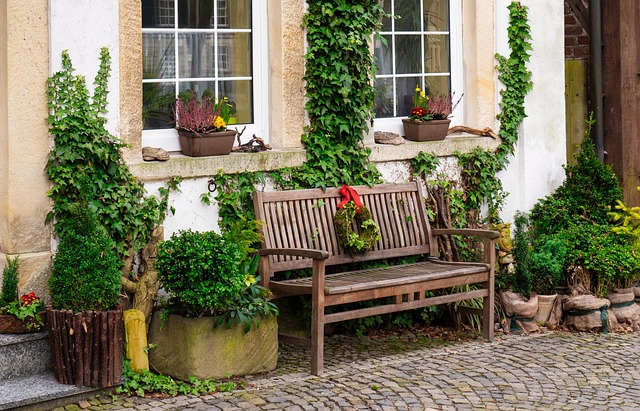
Clearing historical homes demands specialized care to balance preservation with responsible property clearance. Expert deceased estate specialists assess, document, and dispose of items according to legal and ethical standards, collaborating with conservators and historians. They safeguard irreplaceable pieces while facilitating recycling, adhering to strict guidelines on hazardous material disposal. Engaging these professionals ensures cultural heritage preservation, legal compliance, and peaceful transition for historical properties.
Preserving historical homes is a delicate balance between honoring the past and catering to modern needs. The challenge lies in navigating specialized clearance processes, especially when dealing with properties rich in history. Property clearance, naturally, plays a pivotal role in this journey, as it requires meticulous handling of artifacts, documents, and structural elements that may hold significant cultural or personal value. This article delves into the intricacies of specialized clearance for historical homes, offering expert insights to guide homeowners, conservators, and developers through this complex landscape. By exploring best practices and legal considerations, we aim to empower stakeholders to facilitate responsible property clearance while preserving our architectural heritage.
- Understanding Historical Home Clearance Requirements
- The Process: Obtaining Specialized Clearance for Properties
- Preserving History: Importance of Ethical Property Clearance
- Legal and Regulatory Aspects of Clearing Historical Sites
- Engaging Experts: Finding Professional Property Clearance Teams
- Restoring Heritage: Post-Clearance Renovation Guidelines
Understanding Historical Home Clearance Requirements

Clearing a historical home requires a nuanced understanding of its unique value and the specialized care needed to preserve its past while facilitating responsible property clearance. Unlike standard rubbish removal, historical home clearance involves meticulous handling of artifacts, documents, and materials that may hold significant cultural or personal significance.
Expert deceased estate specialists are crucial in navigating this process, ensuring that every item is properly assessed, documented, and disposed of according to legal and ethical standards. This includes collaborating with conservators, historians, and archaeologists to safeguard irreplaceable pieces while facilitating recycling services for more common materials. For instance, a 19th-century mansion might yield valuable period furniture, decorative arts, and even original architectural elements that can be salvaged and reused through specialized clearance and recycling services.
A responsible rubbish removal company adept in historical home clearance will employ strategies like sorting, refurbishing, donating, or selling items to maximize their longevity while mitigating environmental impact. They’ll also adhere to strict guidelines regarding the disposal of hazardous materials commonly found in older properties, such as asbestos or lead paint. For instance, Secure Junk Hauling offers specialized services tailored for deceased estates, ensuring that every piece is handled with care and respect for its historical context.
By engaging a reputable clearance service with expertise in historical homes, property owners can ensure their legacy is preserved while facilitating responsible recycling and disposal. This approach not only preserves the past but also contributes to sustainable practices in the present, creating a lasting positive impact on both the environment and the community’s cultural heritage.
The Process: Obtaining Specialized Clearance for Properties

The process of obtaining specialized clearance for historical homes involves a meticulous approach to ensure both legal compliance and preservation of cultural heritage. This is particularly crucial when dealing with properties that have significant historical value or are part of protected architectural landscapes. Engaging an insured house clearance specialist who understands these nuances is essential. These professionals, often referred to as rubbish removal companies, offer specialized services tailored to meet the unique requirements of such properties.
One of the first steps in this process involves a thorough assessment by the clearance specialists. They meticulously evaluate the property’s contents, architectural integrity, and historical significance. This includes documenting rare or antique items, identifying hazardous materials, and understanding any legal restrictions on disposal. For instance, certain periods or styles may have specific guidelines regarding restoration versus removal of original features. Insured house clearance specialists are well-versed in these protocols, ensuring that every aspect is handled with care and expertise.
Once the assessment is complete, a comprehensive plan for property clearance is devised. This often includes probate support services, which are vital to managing the legal and administrative aspects of clearing historical homes. A reputable clearance company will work closely with clients, family members, or legal representatives to navigate any complex issues related to ownership, inheritance, or estate distribution. They provide transparency throughout the process, ensuring that all parties involved understand the steps being taken and the reasons behind them. By engaging such specialists, property owners can have peace of mind, knowing their historical residence is in capable hands.
For instance, a recent case involved a 19th-century mansion undergoing clearance after its owner passed away. The insured house clearance specialists not only removed over 20 tons of debris but also carefully restored and preserved antique furnishings and artworks, which were then donated to local museums based on the homeowner’s wishes. This exemplifies how professional clearance services can seamlessly integrate with probate support, ensuring a seamless transition for historical properties. To ensure the highest standards, visit us at insurer-approved clearance anytime.
Preserving History: Importance of Ethical Property Clearance

Preserving historical homes involves a delicate balance between respecting the past and meeting contemporary needs. Ethical property clearance plays a pivotal role in this process, ensuring that cultural significance is maintained while facilitating responsible decluttering. Many historical residences harbor stories embedded within their walls, requiring specialized handling to avoid irreparable damage or loss.
When dealing with deceased estates or heritage sites, engaging an insured and bonded house clearance company is paramount. These professionals are trained not only in efficient rubbish removal but also in the ethical disposal of items of historical value. They employ meticulous methods, documenting each piece for potential future reference or conservation. For instance, a recent case study highlighted how a reputable cleared 18th-century mansion’s contents, from antique furnishings to period artwork, were catalogued, conserved, and ultimately reintegrated into historical museums, preserving the home’s rich tapestry for future generations.
Expert advice emphasizes that property clearance should never be treated as a one-size-fits-all process. Each historical residence presents unique challenges and opportunities. For example, an old Victorian home might contain hazardous materials or outmoded structures requiring special handling, while a colonial-era estate may hold valuable artifacts necessitating conservation expertise. This is where specialized deceased estate specialists step in, offering tailored solutions that balance the preservation of history with practical considerations like safety and legal compliance.
Visiting us at [Brand Name] provides access to expert advice on decluttering historical homes responsibly. Our team stays abreast of the latest trends and techniques in insured and bonded house clearance, ensuring that every project is handled with the utmost care and respect for the past. By combining ethical practices with practical expertise, we help property owners and managers navigate the labyrinthine process of preserving history while embracing change.
Legal and Regulatory Aspects of Clearing Historical Sites
The legal and regulatory landscape surrounding property clearance, especially in the context of historical homes, is a complex field requiring meticulous navigation. When dealing with historical sites, every aspect of property clearance must be approached with a deep understanding of the unique legal frameworks and cultural sensitivities involved. These sites often hold immense cultural value, requiring specialized care and adherence to stringent regulations.
Clearing historical properties, whether for renovation, redevelopment, or demolition, involves more than just physical removal of debris. It entails a careful process of documentation, assessment, and compliance with local, regional, and national laws. For instance, many countries have strict guidelines regarding the preservation of architectural elements, artifacts, and historical records found within these properties. Professional clearance companies must possess expertise in these areas, ensuring that all legal and ethical obligations are met. This includes obtaining the necessary permits, conducting archaeological assessments, and collaborating with cultural heritage experts when required.
In the event of a death, house clearance with insurance cover and probate support services become integral components. Estate administrators often face complex tasks when clearing historical homes, especially when dealing with valuable artifacts or heirlooms. Engaging specialized clearance companies equipped to handle such situations ensures a smooth process, minimizing legal and financial risks. These companies can provide comprehensive services, including property clearance, assessment, and recycling, while adhering to probate laws and insurance requirements. As the demand for historical property clearance grows, so does the need for reputable companies offering these specialized services. By prioritizing legal and ethical practices, industry professionals contribute to the preservation of cultural heritage while facilitating the necessary transitions of these historic sites.
For those seeking expert guidance, find us at specialty waste hauling house clearance tips. Our comprehensive approach, combining legal expertise with practical clearance and recycling services, ensures a responsible and efficient process for all historical property-related needs.
Engaging Experts: Finding Professional Property Clearance Teams
Preserving historical homes requires a specialized approach, especially when it comes to property clearance. Engaging expert property clearance teams is crucial for handling these delicate tasks, ensuring both the integrity of the structure and the respectful disposal of its contents. Look for fully insured house clearance companies that are licensed waste carriers—this dual certification guarantees both financial protection and environmental compliance. These professionals understand the unique challenges posed by historical homes, from navigating narrow spaces and preserving antique furnishings to handling the delicate removal of heirlooms with sentimental value.
Consider the example of a 19th-century mansion undergoing renovation. The property clearance team must account for the potential fragility of ornate decorations, meticulously disassembling and packaging each piece for safe transport. They also need to be adept at managing the logistics of a larger, more complex space, ensuring that clearance is conducted efficiently to minimize disruption to the renovation schedule. Data from industry reports shows that insured and bonded house clearance services reduce the risk of damage and loss during transitions, a critical factor in preserving the historical integrity of such properties.
When selecting a team, verify their credentials, insurance, and bonding. A fully insured house clearance company will provide peace of mind, knowing your property is protected. Additionally, ask for references and examples of their historical home clearance projects. The best teams will be able to offer tailored solutions, respecting the past while adapting to the present. Remember that proper property clearance is not just about removing clutter; it’s about preserving history and ensuring a responsible transition for these treasured structures. For an authoritative and meticulous approach to your historical home’s property clearance, give us a call at full-service decluttering.
Restoring Heritage: Post-Clearance Renovation Guidelines
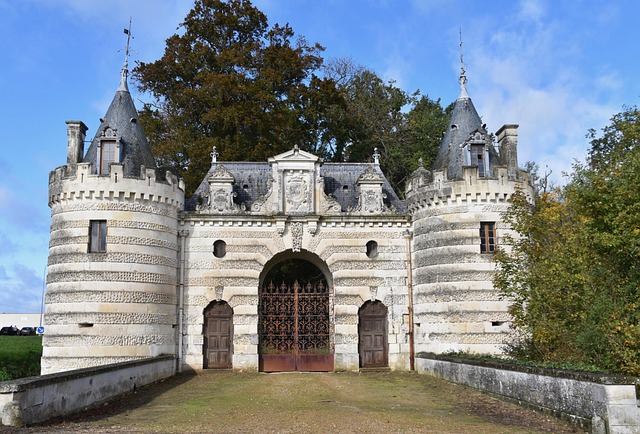
Restoring Heritage: Post-Clearance Renovation Guidelines
Preserving historical homes involves more than just maintaining architectural integrity; it’s about respecting the past while preparing for the future. After specialized property clearance naturally, which ensures the safe and responsible removal of historical items, renovation guidelines become paramount to restore these properties to their former glory or adapt them for modern use. Home clearance professionals play a crucial role in this process, handling the delicate task of clearing spaces while minimizing disruption to the historic fabric. For instance, insuring house clearance near me services ensures that both the property and its surroundings are protected during the clearance process, an essential step for any restoration project.
The first step in post-clearance renovation is assessing the structural integrity of the building. This involves a thorough inspection to identify any damage or deterioration caused by years of neglect or previous clearances. Once the structure is deemed safe, professionals can begin meticulous demolition and deconstruction work. This process often reveals hidden elements—like original hardware, flooring, or decorative features—that can be preserved and incorporated into the new design, enhancing the property’s historical value. For example, many insured house clearance near me services specialize in identifying and salvaging reusable materials, which can significantly reduce renovation costs and contribute to a more sustainable approach to historic preservation.
Renovation guidelines must also address clearance and recycling services to ensure that all materials are disposed of or reused responsibly. With proper management, historical homes can be transformed while minimizing environmental impact. According to recent data, efficient clearance and recycling practices can divert up to 80% of materials from landfills, showcasing the potential for sustainable renovation. At Secure Trash Recycling, we visit our clients at their convenience, offering tailored solutions that cater to both the historic integrity and eco-friendly goals of these projects.
In terms of actionable advice, property owners should collaborate closely with home clearance professionals and renovation experts throughout the process. This includes creating detailed plans for removing and replacing specific features, ensuring compliance with local historical preservation regulations, and prioritizing the preservation of authentic elements. By following these guidelines, it’s possible to restore historical homes while preserving their unique character, creating a harmonious blend of past and present that enriches both the community and the individual.
By navigating the intricate process of specialized clearance for historical homes, this article has underscored the paramount importance of ethical property clearance in preserving our cultural heritage. Key takeaways include understanding stringent legal and regulatory requirements, engaging expert property clearance teams, and adhering to post-clearance renovation guidelines to ensure the restoration, not erosion, of historic sites. The value lies in empowering readers with a comprehensive toolkit for responsible historical preservation through natural property clearance.