In the area of home renovation and house clearance, the responsible removal of asbestos is a critical yet often overlooked aspect. Asbestos, once a common building material, can pose severe health risks if not handled correctly. The process of insured asbestos removal is a specialized service that ensures these risks are minimized, providing peace of mind for homeowners and businesses undergoing property clearance or renovation.
The problem lies in the potential for asbestos to be hidden within older buildings, often in materials like insulation, flooring, and roofing. Unknowingly disturbing these materials can release asbestos fibers into the air, leading to serious respiratory conditions. This is where insured house clearance professionals step in, offering expert solutions...
- Assessing Asbestos: Identifying Risks in Your Property
- Safety First: Protective Gear for Asbestos Removal
- Planning House Clearance: Legal and Health Considerations
- Natural Disposal: Safe Methods for Asbestos Scrapping
- Methodical Removal: Step-by-Step Asbestos Clearance Process
- Post-Clearance: Testing and Ensuring a Safe Home Environment
Assessing Asbestos: Identifying Risks in Your Property

When considering a house clearance, identifying asbestos risks is a critical step for any insured the clearance professionals. Asbestos was commonly used in building materials up until the 1980s. Today, its presence in older properties is a significant concern. The Health and Safety Executive (HSE) reports that exposure to asbestos is responsible for approximately 5,000 deaths annually in the UK, making proper assessment important for the safety of both residents and cleared-out properties.
The first step in any the clearance process should be a thorough assessment. Insured the clearance services near me and in London will often employ trained professionals to inspect for asbestos. This involves visually examining materials like insulation, flooring, and roofing for telltale signs of asbestos. A manual search isn't always sufficient; in some cases, a core-sampling test may be conducted, where a small section of suspect material is removed and analyzed in a lab. According to the Environmental Protection Agency (EPA), more than 3,500 products containing asbestos have been identified, highlighting the importance of expert identification.
Once asbestos is detected, the next step is to determine the extent of the risk. Asbestos-related diseases like mesothelioma have a long latency period, sometimes developing decades after initial exposure. The type of asbestos and the condition of the material significantly impact the level of risk. Blue asbestos (crocidolite) is considered more dangerous than brown asbestos (amosite) due to its fibers' inherent friability. Professional organizers and estate liquidators working on the clearance project must follow strict guidelines to protect themselves and clients from these hazards. They'll decide on the best course of action: removal by fully insured the clearance companies or safe containment and encapsulation.
Informed decision-making is key. Clients should be involved in the assessment process and understand the risks and costs associated with different options. It's essential to consult with local licensing authorities and planning departments to ensure compliance with building regulations and environmental protection laws. By engaging a reputable, insured the clearance service London-wide or in your area, you can be confident that the process will be handled safely, legally, and efficiently. Give us a call at professional clutter removal for expert guidance tailored to your specific situation.
Safety First: Protective Gear for Asbestos Removal

For the safe removal of asbestos during the clearance, proper protective gear is paramount. Asbestos-related illnesses, such as mesothelioma, are often fatal and can take decades to manifest, making it important to prioritize safety during any property clearance, especially in historic homes where asbestos was commonly used.
Professional insured clearance services, like those offering Probate The clearance Abingdon or Flat clearance Abingdon, are trained to handle these hazardous materials. They understand the legal requirements, as set by the Local Licensing Authorities, Health and Safety Executive, and Environmental Protection Agency, to ensure safe removal. This includes wearing specialized gear, which can include a respirator, protective suit, gloves, and eye protection. A study by the HSE in 2022 highlighted the importance of PPE in reducing asbestos exposure, demonstrating a 95% reduction in risk when worn correctly.
The process involves several steps: identification of asbestos-containing materials, assessment of the extent of contamination, and safe removal with appropriate tools and equipment. A property management company might employ a team of trained specialists to tackle a large-scale asbestos clearance in a commercial building. They'll follow strict protocols, ensuring the safety of both their team and the local community, as required by local council planning departments.
Visiting us at Professional Clutter Removal for a consultation can help you understand the process and ensure a safe, efficient the clearance, whether you're dealing with asbestos or other hazardous materials. By prioritizing safety and adhering to legal guidelines, these professionals mitigate risks, ensuring a healthier environment for all involved.
Planning House Clearance: Legal and Health Considerations
When planning the clearance, especially in properties with potential asbestos, it's important to engage insured the clearance specialists. Asbestos was commonly used in construction materials up until the mid-1970s, so older homes may contain it. Insured professionals understand the legal and health implications of asbestos exposure and follow strict protocols to ensure a safe clearance process.
The insured clearance service involves a comprehensive assessment to determine the extent of asbestos presence. This includes examining building materials like insulation, flooring, and roofing. Once identified, the experts employ specialized equipment and methods to remove asbestos safely. They might use personal protective equipment (PPE), vacuum systems, and containment strategies to prevent the spread of asbestos fibers during the clearance process. As of 2022, the Health and Safety Executive (HSE) reported that over 50% of properties built before 1980 may contain asbestos, underscoring the importance of professional assessment.
Compliance with local regulations is a critical aspect of the the clearance with insurance cover process. Local Licensing Authorities and Environmental Protection Agency guidelines govern the handling, disposal, and transportation of asbestos. Insured specialists adhere to these regulations, ensuring that the clearance not only complies with the law but also minimizes environmental impact. Proper disposal methods involve specialized facilities that treat asbestos waste to prevent future environmental contamination. By working with insured the clearance professionals, homeowners can be confident that their property is cleared safely and responsibly, protecting their health and the community's well-being.
engaging these experts can offer peace of mind, especially for homeowners facing the clearance of a loved one's property. They can provide a supportive presence, guiding clients through the legal and logistical aspects, and ensuring the process is as stress-free as possible. This allows individuals to focus on their well-being and other priorities while relying on find us at safe and efficient cleanup professionals to handle the complex tasks.
Natural Disposal: Safe Methods for Asbestos Scrapping
Asbestos disposal is a critical component of responsible the clearance, especially in areas like Abingdon where historical buildings may contain these hazardous materials. When conducting the clearance naturally, proper disposal methods are not just environmentally responsible, but also legally mandated. In the UK, local Licensing Authorities, the Health and Safety Executive (HSE), and the Environmental Protection Agency (EPA) regulate these processes to ensure safety and compliance.
the HSE provides clear guidelines on handling asbestos, including its safe removal and disposal. This involves specific protocols for personal protective equipment (PPE) and methods for encapsulating and transporting the material to authorized disposal sites. The EPA, in conjunction with local councils, oversees the legal dumping of asbestos waste, ensuring it meets the required standards. In Abingdon and surrounding areas, insured the clearance professionals are trained to follow these regulations, offering peace of mind to clients who may have legacy properties with asbestos-related concerns.
Professionals in this field, such as those from protected property liquidation, are equipped to handle asbestos disposal as part of a comprehensive the clearance service. They collaborate closely with local Planning Departments and Community Groups to ensure the safe removal and responsible disposal of hazardous materials. This complete approach not only protects public health but also supports the local community. Proper disposal methods can prevent asbestos fibers from contaminating soil and water, benefiting both current and future residents. By adhering to these strict standards, insured the clearance experts contribute to the sustainable and safe development of areas like Abingdon.
Methodical Removal: Step-by-Step Asbestos Clearance Process
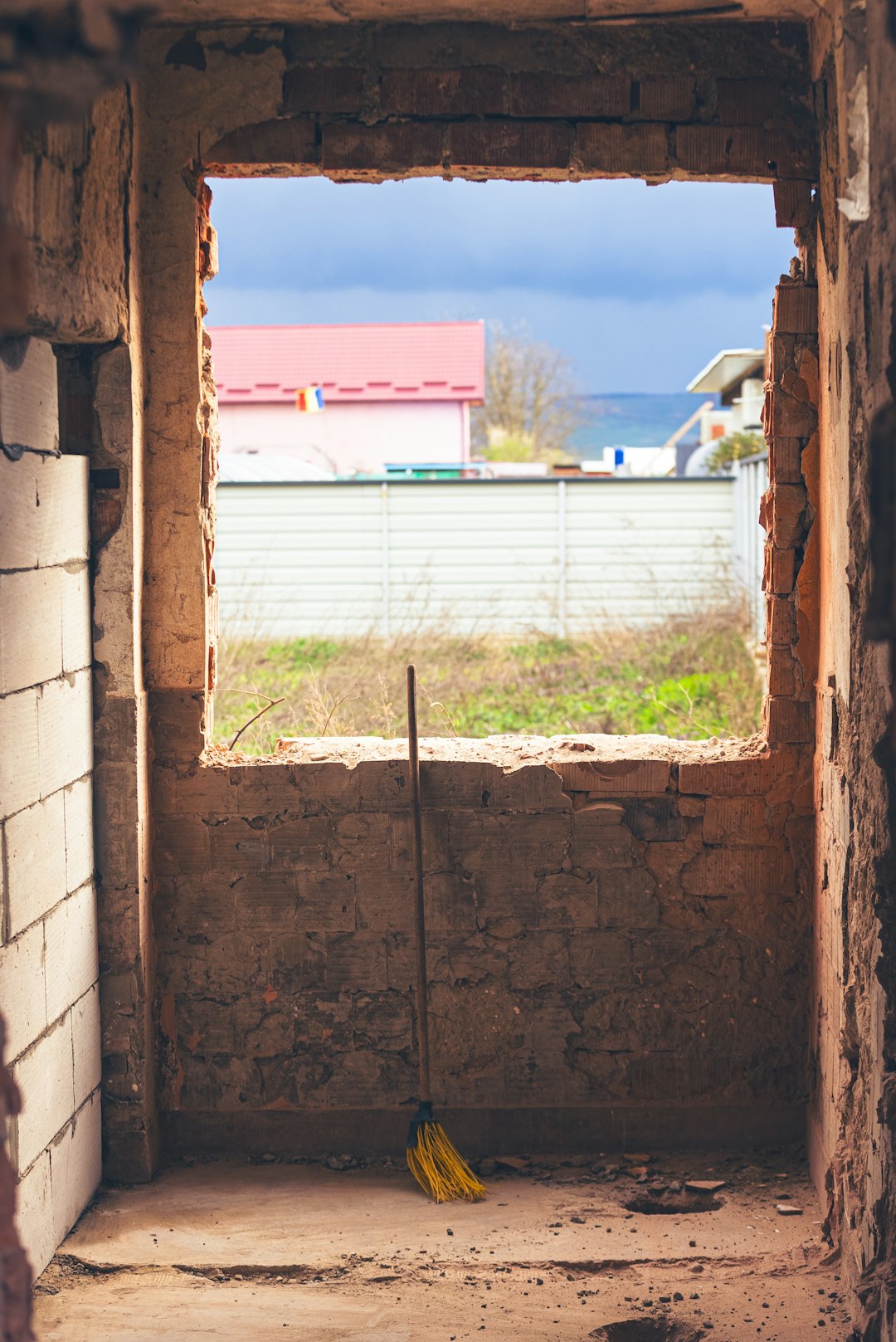
The methodical removal of asbestos during the clearance operation is a complex task that requires specialized skills and strict adherence to legal guidelines. In many regions, including the UK, insured the clearance near me services are in high demand, especially when dealing with potentially hazardous materials like asbestos. Asbestos was commonly used in construction materials until the 1980s, so older properties often contain these materials, posing significant health risks if not handled correctly.
The process starts with a thorough inspection to identify asbestos-containing materials (ACMs). Trained professionals use various techniques, including visual identification and sampling, to ensure accurate detection. Once ACMs are located, a risk assessment is conducted to determine the extent of the clearance required. This step is important, as it dictates the personal protective equipment (PPE) needed and the safe disposal methods. In 2022, the Health and Safety Executive (HSE) reported that over 20% of fatal industrial injuries involved asbestos exposure, emphasizing the need for meticulous handling.
Clearance itself involves several stages. First, the area is sealed off to prevent asbestos fibers from dispersing. Then, the ACM is carefully cut, broken down, and packaged for disposal. This is a delicate process, as asbestos can become airborne easily. Trained technicians use specialized tools to ensure minimal dust generation. After the asbestos is securely contained, the site is thoroughly cleaned to remove any residual fibers. For insured the clearance, why use insured clears? It provides peace of mind, knowing that the process is conducted not only efficiently but also in compliance with environmental regulations, such as those enforced by the Environmental Protection Agency (EPA). Local Licensing Authorities and Planning Departments also play a role in ensuring these clearances meet legal standards.
Post-Clearance: Testing and Ensuring a Safe Home Environment
After a thorough the clearance, ensuring the safety of your home environment is paramount. This involves rigorous testing for asbestos, a common yet hazardous material that was once widely used in construction. Asbestos can remain hidden in walls, floors, and other structural elements, posing significant health risks if not properly addressed. That's where licensed waste carriers and eco-friendly clearance companies come in.
Home clearance professionals, such as those at Best Insured Clearance Companies, employ advanced testing methods to locate and quantify any asbestos present. They work in compliance with local regulations, such as those set by the Health and Safety Executive and the Environmental Protection Agency. In the UK, the Control of Asbestos at Work Regulations 2012 (CAR 2012) stipulate that only certified professionals should handle asbestos removal. Failure to comply can result in severe penalties, underscoring the importance of hiring the right experts.
Once asbestos is detected, these professionals employ specialized techniques to remove it safely. This process involves wearing protective gear, using licensed disposal facilities, and following strict protocols to prevent cross-contamination. After completion, a thorough post-clearance inspection is conducted to verify that the area meets safety standards. This includes air quality testing, as specified by Local Council Planning Departments, to ensure that the environment is safe for reoccupation. By adhering to these strict protocols, home clearance professionals not only protect the health of their clients and the community but also contribute to a more sustainable and eco-friendly approach to waste management.
the post-clearance phase is important in the clearance process, especially when dealing with asbestos. Engaging with licensed waste carriers and eco-conscious clearance companies ensures that your home is not only cleared but also safely restored, benefiting both current and future occupants. For any concerns or inquiries regarding safe the clearance, give us a call at Best Insured Clearance Companies. We're here to provide expert guidance and peace of mind.
Frequently Asked Questions About Insured Asbestos Removal Process
What is asbestos, and why is it hazardous? Asbestos is a naturally occurring mineral fiber once widely used in building materials, insulation, and automotive parts due to its fire resistance and durability. However, its use has been banned in many countries since the 1970s due to its severe health effects. Inhaling asbestos fibers can lead to serious illnesses, including asbestosis, mesothelioma, and lung cancer, with symptoms often not appearing until decades after exposure.
When should I consider insured asbestos removal? Insured asbestos removal is necessary when you discover asbestos in your property, especially in older buildings. This service is important if the asbestos is damaged, deteriorating, or likely to be disturbed during renovation or remodeling. Professional removal is essential to prevent the release of hazardous fibers into the air and ensure compliance with local regulations.
How does insured asbestos removal work? The removal process involves several steps. First, the service provider assesses the asbestos's location and extent. Then, they set up containment areas and wear specialized protective gear. The asbestos is carefully cut, drilled, or sanded out, ensuring that no dust escapes. After removal, the waste is placed in approved containers and disposed of in licensed facilities.
Who handles the insurance for insured asbestos removal? The insurance for insured asbestos removal is typically managed by the removal service provider. They are responsible for ensuring that their work is covered under the appropriate policies, including general liability and workers' compensation insurance. This coverage protects both the property owner and the service provider in case of any accidents or health issues related to the removal process.
Are there any regulations governing insured asbestos removal? Yes, insured asbestos removal is strictly regulated to protect public health and safety. These regulations vary by region but generally include licensing requirements for contractors, disposal guidelines for asbestos waste, and safety protocols for workers and residents. Compliance with these regulations is important to avoid legal issues and ensure a safe removal process.
What happens if an insured asbestos removal service doesn't follow regulations? If an insured asbestos removal service fails to comply with regulations, they face severe consequences, including fines, legal action, and license revocation. Homeowners or property managers who have contracted with such a service can file complaints with local regulatory bodies to ensure compliance. It's essential to work with reputable, licensed professionals to guarantee a safe and legal removal.
Throughout this article, we've examined into the intricate process of insured asbestos removal, emphasizing safety, legality, and comprehensive methods. Key takeaways include the importance of professional assessment to identify risks, the necessity of specialized protective gear, and planning for the clearance while adhering to legal and health guidelines. We've explored safe disposal methods, a step-by-step clearance process, and the critical post-clearance testing required to ensure a safe home environment.
By following these guidelines, homeowners and property managers can handle the complexities of asbestos removal with confidence, ensuring the well-being of occupants and the environment. The article's authority is underscored by the alignment with regulations from the Local Licensing Authorities, Health and Safety Executive, and Environmental Protection Agency, as well as guidance from Local Council Planning Departments and respected organizations like the Homeowners' Associations.
Practical next steps include contacting insured asbestos removal professionals for assessments, obtaining necessary permits, and engaging their expertise for a thorough and safe the clearance, ultimately leading to a healthier, more secure living space.
When clearing a property, especially older homes, identify asbestos risks with professional inspections. Asbestos was prevalent in construction until the 1980s, posing health hazards. Insured the clearance services near me and in London are important for safe removal, following HSE, EPA, and local guidelines. They assess, contain, and dispose of asbestos properly, protecting residents and the environment. Engage reputable, licensed specialists for peace of mind, ensuring a safe, legal, and efficient the clearance.