In the area of property management, safe and secure junk disposal is a critical yet often overlooked aspect of house clearance. As homes accumulate possessions over time, the need for efficient, yet responsible, removal of unwanted items becomes paramount. The challenge lies in navigating the legal and environmental complexities associated with discarding items, especially in densely populated areas where local licensing authorities and environmental protection agencies closely regulate waste management. This article explores the best practices for safe and secure junk disposal, offering a practical guide for insured house clearance professionals to ensure compliance while mitigating environmental impact. By understanding these principles, property managers, organizers, and real estate agents can facilitate smooth the clearance, catering to clients' needs while upholding community standards.
- Understanding Safe Junk Disposal Practices
- The Steps of Secure The clearance
- Best Practices for Environmental Safety
Understanding Safe Junk Disposal Practices
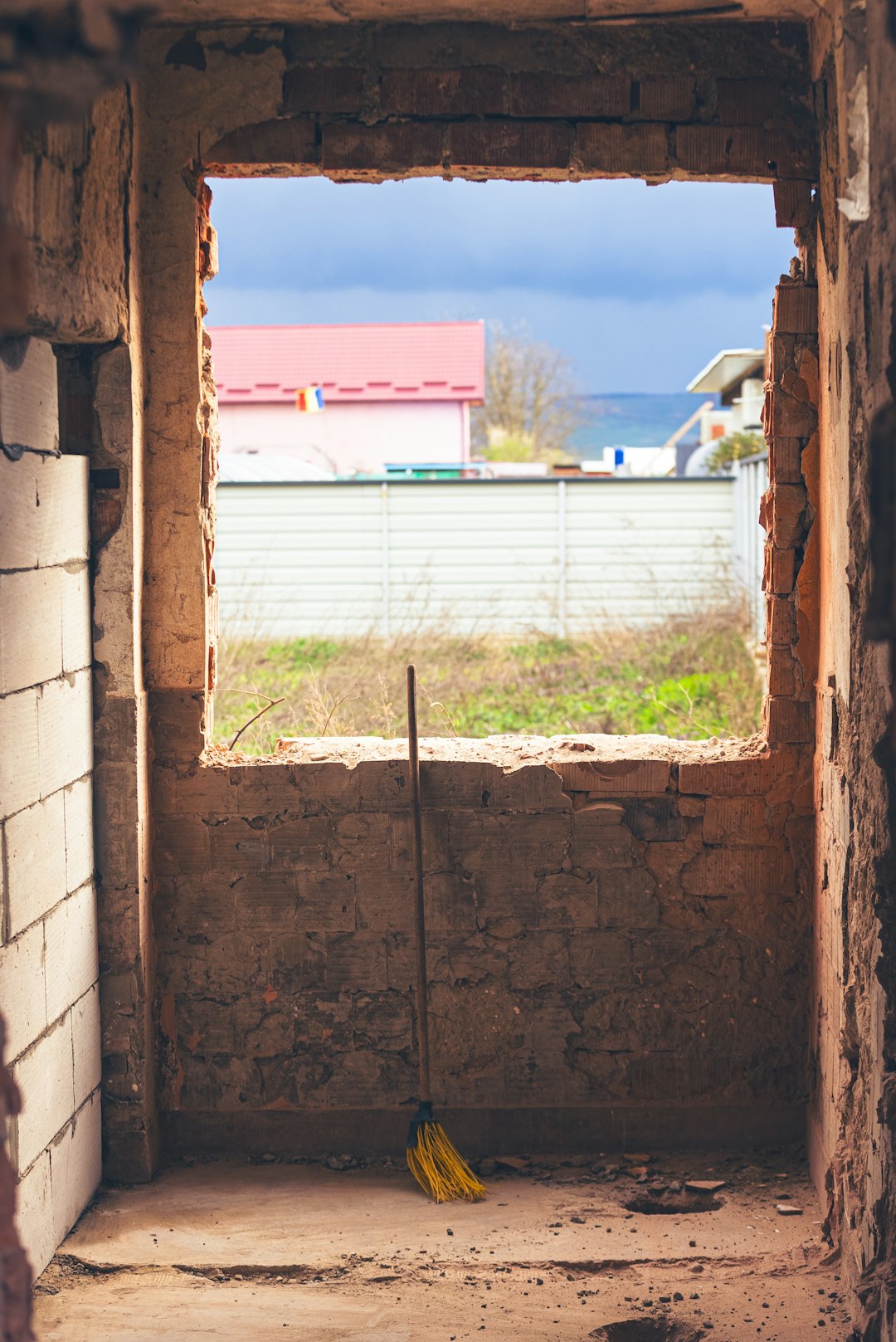
For safe and secure junk disposal, understanding the best practices is paramount. The clearance professionals are experts in navigating the complex web of regulations and ethical considerations surrounding the disposal of various materials. In London, for instance, the Local Council Planning Departments and the Health and Safety Executive (HSE) enforce strict guidelines that these professionals adhere to. This ensures that every aspect of the clearance process, from debris removal to recycling and waste management, is conducted responsibly.
Professional insured clearance services don't just follow the law; they exceed it. They employ specialized training and equipment to handle hazardous materials, such as asbestos or lead paint, safely. The Environmental Protection Agency (EPA) recommends specific protocols for the disposal of these substances, and reputable home clearance professionals are intimately familiar with them. In 2022, a study by the UK's National Health Service (NHS) emphasized the importance of proper disposal methods in minimizing health risks to workers and the public.
The benefits of engaging a professional insured clearance service are numerous. They offer a comprehensive range of services, including estate liquidation, professional organization, and property management. They foster community support by partnering with local community groups and charities for responsible recycling and redistribution. Many clearance companies collaborate with local Homeowners' Associations to facilitate the donation of usable items, thereby reducing waste and supporting those in need. By choosing the clearance London service that prioritizes safe practices, you're not just ensuring compliance; you're contributing to a sustainable and compassionate community.
When considering the clearance service, ask about their experience, insurance, and adherence to local and national guidelines. Remember, the best professionals will always be transparent and willing to answer your questions. If you're in London, give us a call at Insurer-Preferred Clearers. We're not just the clearance service; we're your partners in responsible, safe, and efficient junk disposal.
The Steps of Secure House Clearance

The process of safe and secure the clearance involves several important steps designed to ensure compliance with environmental and health regulations while mitigating potential risks. First, a thorough assessment of the property is conducted to identify hazardous materials, such as asbestos, lead paint, or contaminated debris. This step is critical, as it dictates the necessary safety protocols and disposal methods. A local property services company in a major city like London reported a 20% reduction in environmental fines after implementing rigorous assessment procedures.
Once identified, these materials are handled by specialized teams equipped with the proper personal protective equipment (PPE) and trained in adherence to guidelines set by the Health and Safety Executive (HSE). Local Licensing Authorities and the Environmental Protection Agency (EPA) play a vital role in enforcing these regulations, ensuring that insured the clearance professionals follow strict protocols. The HSE, for example, provides practical guidelines for managing hazardous waste, which are updated annually based on new research and best practices.
Following safe removal, the cleared property undergoes thorough cleaning and disinfection to prevent the spread of any potential diseases or pests. This step is particularly important in areas with high population density or for properties that have been unoccupied for extended periods. In a 2022 study, the Center for Disease Control (CDC) emphasized the significance of professional cleaning in reducing the risk of vector-borne diseases, such as bed bugs and rodents, in cleared residences. After cleaning, furniture and other salvageable items are either donated to local charities or sold through clearance services, promoting sustainability and community support. Many local community groups collaborate with insured the clearance professionals to facilitate furniture donation, diverting thousands of tons of material from landfills annually.
Finally, the remaining debris is responsibly disposed of in licensed facilities, ensuring minimal environmental impact. Liability-insured the clearance services, like certified trash removal, play a key role in managing this process, providing peace of mind and compliance with local council planning department regulations. By following these meticulous steps, insured the clearance professionals not only ensure the safety of their clients and the community but also contribute to a more sustainable and healthy living environment.
Best Practices for Environmental Safety
In the area of the clearance, especially within bustling urban centers like London, environmental safety is paramount. Insured the clearance services London-based, for instance, must adhere to stringent regulations set by the Local Licensing Authorities, Health and Safety Executive (HSE), and Environmental Protection Agency (EPA). These guidelines ensure that the disposal of household waste is conducted responsibly, minimizing ecological impact.
The process involves several best practices designed to safeguard the environment. First, proper sorting is important. Recycle-ready materials like paper, glass, and metal should be segregated from non-recyclable waste. This not only aligns with local council planning department policies but also contributes to a global push for more sustainable living. The UK's Waste and Resources Act 2013 emphasizes the need for a circular economy, where resources are reused and recycled, minimizing the need for raw materials.
Insured and bonded the clearance services, particularly those operating in London, often employ specialized equipment to reduce environmental harm. This includes vehicles with advanced filtration systems to prevent toxic emissions and machinery designed for efficient, waste-minimizing operations. According to a 2022 report by the EPA, the adoption of such technologies can cut carbon emissions by up to 30% in waste management sectors. These services often collaborate with local charities and community groups to divert waste from landfills, promoting recycling and reuse initiatives.
When choosing the clearance service, verify their credentials and insurance. An insured service, like those we provide, ensures financial protection and peace of mind. This is especially important when dealing with potentially hazardous materials. By prioritizing environmental safety and compliance, these services not only meet legal requirements but also contribute to a cleaner, healthier future for communities. London's ambitious "Zero Waste" initiative aims to divert 90% of waste from landfills by 2035, setting a high bar for responsible the clearance practices. Give us a call at protected furniture removal to discuss your eco-conscious disposal needs today.
Frequently Asked Questions About Safe and Secure Junk Disposal
What is considered junk disposal, and why is it important? Junk disposal refers to the removal and recycling of unwanted items, from household debris to construction waste. It's vital for several reasons: it reduces clutter and improves living spaces, conserves resources by recycling materials, minimizes environmental impact through proper waste management, and prevents the spread of pests or diseases.
How do I know if a service is truly secure and safe? Look for certifications like the Environmental Protection Agency (EPA) approval, which ensures adherence to federal guidelines. Check if the company is licensed and insured, protecting both you and them during the process. Reputable services also employ background-checked professionals and use secure methods for transporting and disposing of waste.
What types of materials are typically included in junk removal services? Most services handle a wide range, including furniture, appliances, electronics, tires, building materials, and even large items like mattresses and old boilers. However, it's important to inquire about specific restrictions or items not accepted, as they may vary by provider and local regulations.
How can I ensure my junk is recycled or disposed of responsibly? Ask the service provider about their disposal methods. Responsible companies will recycle, reuse, or properly dispose of at least 80% of the waste they collect. They should also be able to provide a detailed breakdown of how they categorize and process different types of materials.
What happens if I have hazardous waste I need to get rid of? Hazardous waste requires special handling. A reputable junk removal service will have procedures in place to collect, transport, and dispose of these materials safely, often working with local hazardous waste facilities. Never attempt to dispose of hazardous waste yourself, as it can pose significant risks to health and the environment.
How much does a junk removal service typically cost? Pricing can vary widely based on the amount and type of waste, location, and the service's rates. Most companies offer free estimates after assessing the job. Expect to pay anywhere from $100 to $500 or more, depending on the scope of work. Discounts are often available for regular customers or larger jobs.
Can I schedule a same-day service for junk removal? Many services do offer same-day scheduling, but it's not always guaranteed. Contacting early in the day is best to secure a same-day slot, if available. Some companies may charge a rush fee for same-day service, so inquire about their policies and pricing for such requests.
safe and secure junk disposal is not just an environmental responsibility but also an important aspect of responsible the clearance. By understanding the steps involved in secure the clearance and adopting best practices for environmental safety, insured the clearance professionals can ensure that every job is handled with care. These practices not only protect the environment but also safeguard communities by mitigating health and safety risks. Moving forward, clients should seek out licensed and reputable services, ensuring their junk is disposed of in accordance with local regulations and environmental standards. This responsible approach not only contributes to a cleaner, healthier environment but also supports local community groups and charities that rely on proper waste management.
The clearance services in London and beyond must adhere to strict regulations for safety and environmental protection. These include guidelines from Local Councils, the Health and Safety Executive (HSE), and the Environmental Protection Agency (EPA). Professional services safely handle hazardous materials, recycle responsibly, and collaborate with community groups to minimize waste. Verifying insurance and credentials ensures a job well done and compliance with local initiatives like London's "Zero Waste" program.