In the wake of natural disasters, accidents, or when a loved one passes away, the task of clearing out a property can be overwhelming. Insured house clearance professionals step in to provide a much-needed service, ensuring a swift and respectful process. The challenge lies in navigating legal complexities, especially when dealing with insurance claims, while managing the emotional and physical strain of property disposal.
Efficient property debris removal is crucial for both homeowners and insurance companies. It minimizes the time and stress involved, allowing individuals to focus on healing and rebuilding. Insured house clearance experts, with their deep knowledge of legal requirements and industry best practices, offer a seamless solution tailored to each unique situation. From estate planning to post-disaster cleanup, these professionals are the backbone of a smooth, secure, and timely property clearance process.
- Understanding Insured House Clearance Needs
- Efficient Debris Removal: A Step-by-Step Guide
- Choosing the Right Insured Property Clearance Experts
- Legal and Insurance Considerations for Clearance
- Modern Techniques for Safe, Efficient Clearance
- Best Practices for Post-Clearance Property Management
Understanding Insured House Clearance Needs
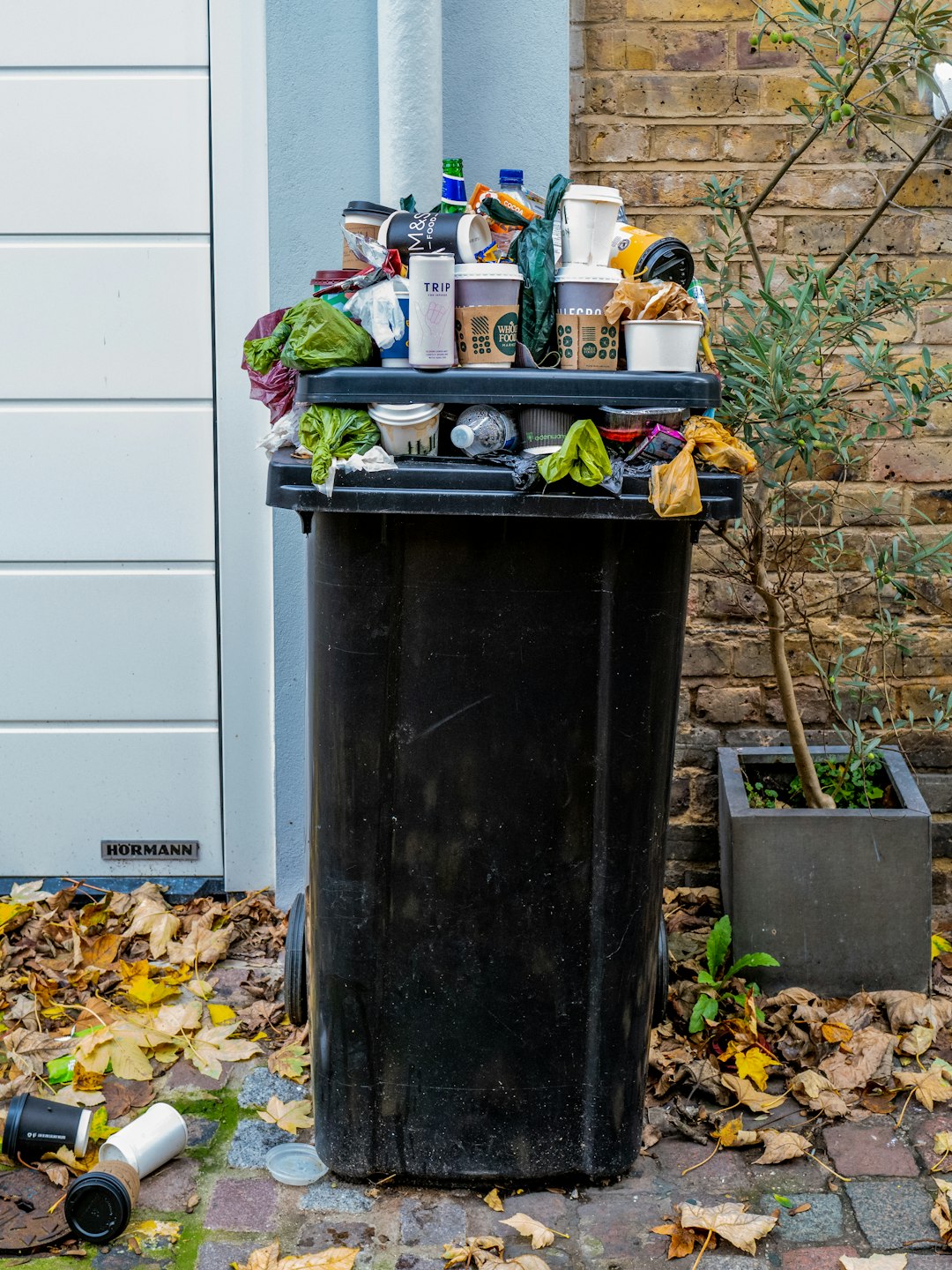
When facing the aftermath of an insured event, such as a fire, flood, or accident, navigating the process of property clearance can seem daunting. This is where insured house clearance professionals step in, offering invaluable expertise and support. These specialists understand the unique challenges associated with clearing insured properties, ensuring a seamless transition from disaster to recovery. Their role involves more than just removing debris; they provide a comprehensive service tailored to the specific needs of insurance companies and policyholders.
Insured house clearance professionals offer a range of specialized services, from initial assessment and debris management to recycling and waste disposal. They work closely with insurance adjusters, risk management associations, and legal experts to ensure compliance with local regulations and insurance policies. In areas like Andover, Basingstoke, Bedford, or Luton, these professionals are adept at handling the complex logistics of property clearance, taking into account any legal or structural constraints. They possess the knowledge to navigate the intricacies of estate planning and tax considerations, ensuring a smooth process for policyholders during challenging times.
A key aspect of their service is the ability to customize solutions. Whether it's a small apartment in Cambridge or a large estate in Cirencester, each property is unique. These professionals assess the scope of work, the type of debris, and the desired outcome, then create a tailored plan. They might employ specialized teams for hazardous material removal, delicate antique clearance, or complex deconstruction, ensuring every detail is addressed. Post-clearance, they may coordinate with security companies, locksmiths, or property management services to prepare the space for repairs or relocation, providing a complete, end-to-end solution.
Insured house clearance professionals offer peace of mind. They handle all the necessary paperwork, ensuring compliance and minimizing potential disputes. By working with trusted, insurer-approved providers, policyholders can have confidence in the integrity and efficiency of the process, allowing them to focus on the emotional and practical aspects of recovery. This expert support is especially crucial in complex cases, where understanding the nuances of insurance settlements and property disposal is essential for a successful outcome.
Efficient Debris Removal: A Step-by-Step Guide

Efficient property debris removal is a critical process, especially following insured events like damage, loss, or even a death in the family. It requires meticulous planning, specialized expertise, and adherence to legal and safety standards. Insured house clearance professionals are trained to navigate this complex landscape, ensuring the safe, legal, and respectful disposition of personal belongings and assets.
The first step in efficient debris removal is assessment. Insured house clearance specialists will thoroughly inspect the property to understand the scope of the job, identify valuable items for salvage or resale, and determine any hazardous materials that require special handling. This stage is crucial for developing a customized plan that respects both the client's needs and legal obligations. In the case of insured damage, professionals will coordinate with insurance adjusters to ensure all necessary documentation is in place before beginning the clearance process.
Once the assessment is complete, the professionals will safely and efficiently remove all debris from the property. This includes sorting items for recycling, donation, sale, or disposal according to local regulations. They will employ specialized equipment and techniques to minimize disruption and ensure the property is restored to a clean and safe condition.
Finally, post-clearance services are essential for transforming a chaotic space into a functional one. Professionals may offer services such as:
- Temporary storage for items not immediately disposed of.
- Security and surveillance during the clearance process to protect both the property and its contents.
- Property management services for those who need assistance with the ongoing maintenance of their property following an insured event.
By choosing a reputable insured house clearance professional, you can trust that your property will be handled with care, professionalism, and in strict adherence to legal requirements. Visit us at home liquidation for insurance settlements anytime for a stress-free and efficient solution to your property debris removal needs.
Choosing the Right Insured Property Clearance Experts
Selecting the right professionals is crucial, especially after an insurance event, estate, or personal situation requires property removal. This is not a task to be taken lightly; it demands a team with both the expertise and the legal acumen to navigate complex circumstances.
Consider the scope and nature of the job. Is it a simple, single-room clearance or a comprehensive, multi-room estate cleanup? Complex jobs might require specialists in estate planning, tax advice, or psychological support alongside the insured property clearance. A significant insurance payout could necessitate professional asset management, tax planning, and even legacy property distribution services.
The best professionals will possess deep knowledge of local regulations and insurance requirements. They should be adept at dealing with insurance adjusters, understanding the nuances of insurance-approved property liquidation, and ensuring a damage-free, secure removal process. They might coordinate with local waste disposal companies, recycling facilities, and even security companies for a comprehensive service.
Reputation matters. Look for teams with a proven track record, positive client testimonials, and strong industry affiliations. Membership in risk management associations or referrals from local insurance boards can be telling. Remember, these professionals often work in sensitive situations; discretion, professionalism, and a commitment to client privacy are paramount.
Before making a decision, discuss the project with several potential partners. Compare their services, pricing, and communication style. Ask for references and examples of similar projects they've handled. Choose a team that aligns with your needs, budget, and peace of mind. Give us a call at insured home deconstruction services to discuss your specific requirements.
Legal and Insurance Considerations for Clearance

Legal and Insurance Considerations for Efficient Property Debris Removal
When dealing with insured property disposal, the legal and insurance aspects are paramount. Professionals are experts in navigating these complexities, ensuring compliance with local regulations and industry standards. The process begins with understanding the client's insurance policy, especially regarding the coverage for debris removal and potential deductibles. Each property clearance situation is unique, requiring tailored solutions that respect both the client's needs and the insurer's guidelines.
After an insured damage or loss, the first step is to contact the insurance provider to file a claim. The adjuster will assess the situation and, upon approval, provide a policyholder with a work scope and budget. Professionals work closely with insurance adjusters to streamline the process, ensuring that every aspect of the clearance is documented and in line with the agreed-upon terms. This collaboration is crucial to avoid delays and additional costs.
These professionals are well-versed in local laws and industry best practices for debris management, recycling, and waste disposal. They employ specialized teams and facilities to handle various types of debris, ensuring minimal environmental impact. Electronics, furniture, and building materials may be recycled, reused, or disposed of responsibly, reducing the property's ecological footprint during the clearance process.
The post-clearance phase also involves legal considerations, such as securing the property and managing access for insurance companies or legal representatives. Professionals offer comprehensive services, from initial assessment to final cleanup, ensuring a seamless transition for clients navigating the aftermath of an insured event. By prioritizing legal expertise and insurance compliance, these professionals provide peace of mind, enabling clients to focus on their recovery and rebuilding process.
Modern Techniques for Safe, Efficient Clearance
In today's complex landscape of property disposals, especially after insured claims, efficient insured property clearance professionals employ a blend of advanced equipment, meticulous planning, and specialized knowledge to navigate legal and logistical challenges. These experts are crucial for handling the sensitive process of clearing insured properties, ensuring everything is done in accordance with insurance policies, local regulations, and risk management considerations.
A property in Bedford might require a multi-stage approach. The initial phase involves careful assessment of the property's contents, identifying valuable items for salvage, donation, or insurance claim submission. This is followed by meticulous sorting and packing of remaining items, with a focus on minimizing damage and preserving the integrity of materials. Professional clearance teams employ specialized equipment like lift trucks, vacuum lifters, and fine art handling tools to manage even the most delicate items.
Once the property is cleared, insured house clearance specialists proceed with responsible disposal. This includes recycling electronics, furniture, and construction materials, ensuring hazardous waste is handled safely and in compliance with environmental regulations. Many teams also collaborate with local recycling facilities, waste disposal companies, and even real estate agencies to maximize the property's potential after the insured event.
The role of professionals extends beyond physical removal. They often provide crucial support throughout the entire process, from initial assessment and documentation to final settlement with the insurance company. This includes working with estate planning lawyers, tax advisors, and insurance adjusters to ensure all legal requirements are met and that the client receives the maximum compensation possible. In some cases, specialized psychological support teams may be engaged to assist clients dealing with the emotional stress of property loss. By leveraging modern techniques and a comprehensive approach, these professionals ensure a seamless transition, allowing clients to rebuild and move forward with their lives. Find us at specialized insured property restoration, for instance, is one such service that combines expert clearance with sensitive handling, ensuring a healing environment for clients navigating a difficult time.
Best Practices for Post-Clearance Property Management

Efficient property debris removal goes beyond simply clearing out a space. It involves managing the aftermath, ensuring the property is secure, and facilitating a smooth transition for the next phase-whether it's a renovation, sale, or new tenancy. Professionals understand that each property has its unique needs and challenges, especially after an insured event like damage, loss, or a relative's passing.
Post-clearance, these professionals offer crucial services like securing the property against potential risks, such as vandalism or weather damage, while waiting for insurance adjusters or new occupants. They may arrange for temporary storage solutions, especially for valuable or irreplaceable items that need safe-keeping. A professional might coordinate with a local storage facility or relocation specialist to ensure these items are protected until the owner's plans are finalized.
These experts can facilitate the clean-up and disposal of hazardous waste or debris, adhering to local regulations and ensuring environmental safety. They work closely with waste disposal companies and recycling facilities to categorize and recycle materials where possible, contributing to sustainable practices. In some cases, they may even collaborate with tax advisors, estate planning lawyers, or legacy property management teams to handle complex legal or financial matters arising from the clearance process.
A key aspect of post-clearance management is the restoration of security. Professionals may install temporary locks, secure windows, or board up entry points to deter intruders and protect the property until the owner's return or the next phase of development. They might also work with security companies or locksmiths to ensure the property is equipped with reliable security systems, enhancing safety and peace of mind.
Frequently Asked Questions About Efficient Property Debris Removal
What happens during the initial assessment for efficient property debris removal?
During the initial assessment, our team thoroughly examines the property to understand the scope of the debris and the specific needs. We ask detailed questions about the type and extent of damage, the source of the debris, and any special considerations like hazardous materials or structural instability. This information allows us to create a tailored plan for efficient and safe removal, ensuring that all debris is handled according to legal and environmental regulations.
How do you handle hazardous materials during property cleanup?
Handling hazardous materials requires specialized knowledge and equipment. We employ certified professionals who are trained to identify and safely remove hazardous substances like asbestos, lead paint, or toxic chemicals. These materials are disposed of according to strict local, state, and federal guidelines, minimizing environmental impact and ensuring the safety of our team and your property.
What makes your property debris removal service more efficient than others?
Our commitment to efficiency stems from streamlined processes and experienced professionals. We use advanced technology, such as specialized equipment for debris sorting and removal, to expedite the process. Our team follows meticulous organizational methods, ensuring that every item is tracked and removed responsibly, while minimizing disruption to your daily life.
Can I be present during the property cleanup process?
Absolutely. We welcome client involvement throughout the process. Many clients choose to be present to oversee the work, ask questions, and ensure their satisfaction. However, for safety reasons, we ask that you maintain a safe distance from active work areas and follow our team's instructions.
What happens after the property has been cleared of debris?
Once the debris is removed, we conduct a thorough inspection to ensure the property is clean and safe. We then work with you or your insurance provider to document the work done and finalize any necessary repairs or restoration. Our goal is to return your property to its pre-loss condition as efficiently and seamlessly as possible.
Efficient property debris removal, especially in the context of insured house clearance, involves a multifaceted approach that blends legal expertise, specialized services, and post-clearance management. Key insights from this article underscore the importance of engaging professionals who understand local regulations, insurance policies, and modern clearance techniques. By following a step-by-step guide, from initial assessment to final cleanup, these experts ensure a damage-free, secure, and environmentally responsible process.
The article highlights the value of legal and insurance considerations, such as compliance with insurance boards and risk management associations, which are crucial for smooth post-clearance transitions. Post-clearance, these professionals facilitate property management services, relocation, and real estate agency support, ensuring the property's future is as well-managed as its past was meticulously cleared.
Practical next steps for individuals or businesses facing property debris include:
- Researching and selecting professionals with proven expertise and positive client testimonials.
- Understanding the legal and insurance implications of property clearance to avoid potential disputes.
- Implementing modern clearance techniques to minimize disruption and maximize recycling and waste disposal efficiency.
- Planning for post-clearance needs, such as security, property management, and real estate services, to ensure a seamless transition.
By adopting these strategies, individuals and businesses can navigate property debris removal with confidence, ensuring a smooth, efficient, and legally compliant process.
Understanding Insured House Clearance Needs:
Professionals assist policyholders post-insured events, offering expertise in debris management, recycling, and compliance with regulations. They provide customized solutions, from initial assessment to end-to-end property preparation, ensuring a smooth recovery process. Their role includes navigating legal complexities, coordinating with insurers, and offering peace of mind.
Modern Techniques for Safe, Efficient Clearance:
Efficient professionals use advanced equipment and meticulous planning to clear insured properties legally and logistically. This involves multi-stage processes, specialized handling, responsible disposal, and collaboration with local facilities for maximum property potential.
Best Practices for Post-Clearance Property Management:
Post-clearance, these professionals secure properties, facilitate storage, manage hazardous waste, and collaborate with legal teams. They restore security, protect against damage, and prepare properties for new occupants or renovations, ensuring a seamless transition.