
Insured house clearance professionals address extreme hoarding, ensuring safe item removal, insurance compliance, and improved living conditions. They follow a multi-step process, from assessment to deep cleaning, handling hazardous materials and valuable items with care. These specialists mitigate risks, legal issues, and disputes, offering vital support for homeowners and insurers. Post-clearance, they provide psychological assistance, teaching organization techniques for lasting change.
The issue of hoarding has gained significant attention due to its profound impact on individuals, families, and communities. For those grappling with excessive accumulation, professional clearance services are often the only viable path to safe and sanitary living spaces. However, finding reliable, insured house clearance professionals who understand the sensitivity of the situation is crucial. This article delves into the intricacies of hoarders’ clearance, highlighting the role of experts in providing compassionate, efficient solutions tailored to address this complex challenge, ensuring both safety and dignity for those involved.
- Understanding House Clearance for Hoarders
- The Role of Insured Professionals in Hoarder Situations
- Step-by-Step Guide to Safe and Efficient Clearance
- Legal Considerations and Consent for Hoarder Properties
- Post-Clearance Support for Hoarders: Rebuilding and Healing
Understanding House Clearance for Hoarders
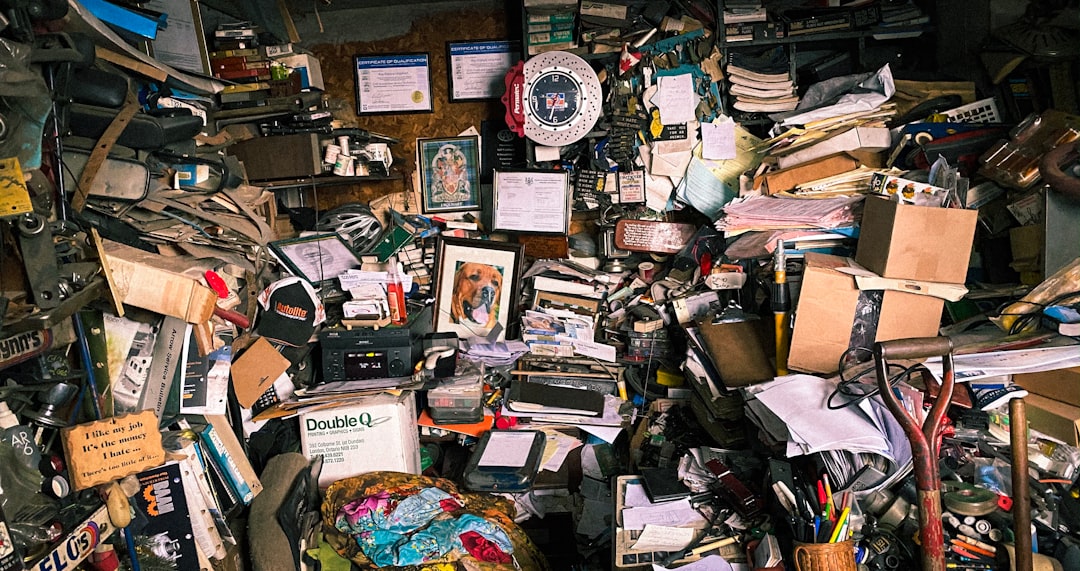
House clearance for hoarders is a specialized service that requires tact, sensitivity, and expert knowledge. Hoarding—the persistent difficulty discarding or parting with possessions, regardless of their actual value—can result in extreme clutter that poses significant safety risks and impacts quality of life. Insured house clearance professionals like Oxford Insured House Clearance Experts play a vital role here, offering tailored solutions to address this complex issue. Their services not only help clear hoarded spaces but also ensure the safe disposal or redistribution of items, while mitigating potential insurance claims and legal complications that may arise from cluttered homes.
Insured house clearance involves more than just removing clutter; it’s about ensuring a thorough, respectful, and legally sound deconstruction process. These professionals are trained to handle various types of hoarding cases, whether it’s the accumulation of paper or the retention of items with sentimental value. They understand that every hoarder has unique circumstances and requires personalized strategies. For example, they might employ specific methods for clearing homes containing historical or valuable items, ensuring their safe removal and proper documentation while adhering to legal and insurance requirements.
Oxford Insured House Clearance Experts emphasize the importance of home decluttering for insurance purposes. Many standard home insurance policies do not cover losses resulting from hoarding due to the increased risk it poses to health and safety. To protect themselves and their clients, these insured professionals ensure that all clearances are documented and that any items of value or potential claim are handled appropriately. This includes insuring valuable items during transit if necessary, providing peace of mind for both the homeowner and insurance provider. By engaging insured house clearance specialists, individuals dealing with hoarding can take advantage of expert knowledge and resources to navigate complex situations effectively while mitigating potential risks and liabilities.
The Role of Insured Professionals in Hoarder Situations

In situations involving extreme hoarding, insured house clearance professionals play a crucial role in managing the complex process of decluttering and clearing out homes safely and securely. These experts are trained to handle such delicate matters with empathy and efficiency, ensuring that homes are cleared for both personal well-being and insurance purposes. For instance, Oxford Insured house clearance professionals have encountered cases where severe hoarding has led to homes becoming structurally unsafe or unsanitary, necessitating immediate intervention.
When it comes to home decluttering for insurance claims, insured professionals offer several advantages. They understand the process of documenting and securing assets, which is essential for accurate insurance appraisals and claim settlements. For example, these experts can ensure that valuable items are properly documented and protected during clearance, minimizing potential disputes or delays in compensation. Moreover, they adhere to legal and ethical standards, providing peace of mind that all aspects of the clearance process comply with relevant regulations.
Insurers often require thorough and secure home decluttering for insurance purposes before processing claims related to hoarding situations. Insured house clearance professionals can facilitate this process by offering specialized services tailored to meet insurer requirements. They employ systematic approaches to sort, organize, and package items, ensuring that everything is properly accounted for. This meticulous attention to detail not only aids in expediting claim settlements but also helps prevent potential fraud or misuse of insurance benefits. By visiting us at insurer-preferred estate clearance, individuals and families can access these specialized services, ensuring a smooth and secure decluttering process aligned with insurance needs.
Step-by-Step Guide to Safe and Efficient Clearance

Step-by-Step Guide to Safe and Efficient Clearance
Clearing out a home, especially when dealing with hoarding or insured losses, requires specialized expertise and a structured approach. This step-by-step guide is designed to help you navigate the process safely and efficiently, ensuring that your property is deconstructed and cleared by insured house clearance professionals who understand the unique challenges of such situations. The first step is assessment: inspect the property for safety hazards, including structural risks, hazardous materials, and potential tripping points. Once safety is assured, professionals will begin sorting items into categories—keep, donate, sell, or discard. This meticulous process is crucial for maintaining order and minimizing disruption during the clearance.
The next phase involves safe removal of items, which requires specialized equipment and techniques. Wiltshire Insured house clearance professionals, for instance, use tools like vacuum lifters to move bulky items without damaging floors or walls. They also employ protective gear to handle hazardous materials, such as asbestos or lead paint, ensuring the safety of both residents and workers. For homes with significant hoarding issues, safe deconstruction may be required to prevent further accumulation and ensure a clear and secure space for rebuilding or renovation. This involves carefully disassembling structures, dismantling furniture, and removing debris while adhering to local environmental and waste management regulations.
After the initial clearance, professionals will assist in disposal or recycling of items according to their condition and local guidelines. Donatable goods are often transferred to charities, while recyclables and disposables are handled appropriately. The final step involves deep cleaning and deodorizing the property to eliminate any lingering odors or environmental hazards. Specialized insured estate cleanup services like these not only ensure a thorough and safe clearance but also protect your insurance claim by demonstrating responsible handling of the situation. Visit us at [specialized insured estate cleanup](http://www.example.com) anytime for expert guidance tailored to your unique needs.
Legal Considerations and Consent for Hoarder Properties

When dealing with hoarder properties, legal considerations are paramount to ensure a safe, efficient, and legally compliant clearance process. Engaging insured house clearance professionals is crucial for both homeowners struggling with excessive accumulation and insurance companies managing claims. The complex nature of these situations demands specialized expertise and a nuanced understanding of the law.
In many cases, the presence of valuable or potentially hazardous items within a hoarder home complicates matters. Insured asset removal specialists, such as those based in Wiltshire, are equipped to handle the safe disposal or recovery of diverse assets while adhering to legal protocols. Obtaining explicit consent from all relevant parties is a fundamental step before commencement of any clearance work. This includes authorization from both the homeowner and their insurance provider, particularly when dealing with properties covered by insurance claims for loss or damage due to hoarding.
A case in point involves a home where the accumulation of items presented significant fire hazards, necessitating a coordinated response involving insured house clearance professionals, local authorities, and the insurance company. Through careful planning, communication, and adherence to legal protocols, the team successfully cleared the property while mitigating risks and ensuring a just resolution for all parties involved. Engaging reputable home removal services for insurance companies like these is key to navigating complex legal landscapes and achieving positive outcomes in hoarder property cases.
Ultimately, the involvement of insured house clearance professionals not only streamlines the clearance process but also safeguards against potential legal disputes and ensures that all stakeholders’ rights are respected throughout. To learn more about how a specialized insured asset removal service can assist with your specific situation, visit us at house clearance for insurance claims.
Post-Clearance Support for Hoarders: Rebuilding and Healing

For many individuals struggling with hoarding, the physical act of clearing out excessive possessions can be incredibly difficult—a process made even more complex when facing insured damage or requiring secure home decluttering for claims. This is where post-clearance support becomes a vital component in the healing journey. Insured house clearance professionals play a crucial role in helping individuals reclaim their spaces, not just by removing clutter but also by offering guidance and resources to rebuild and heal.
In cases of severe hoarding, homes can become unsafe and uninhabitable due to the accumulation of items. Cheltenham insured house clearance professionals are equipped to handle these situations with sensitivity and expertise. They understand that each case is unique, requiring tailored strategies to address underlying emotional or psychological factors contributing to hoarding behaviors. By providing a safe and supportive environment, these professionals facilitate the process of letting go of excess possessions while ensuring the safety and well-being of the individual.
Post-clearance support involves more than just cleaning up; it’s about empowering individuals to make lasting changes. Insured house clearance experts often collaborate with therapists or counselors to offer comprehensive care. This may include teaching effective organization techniques, helping clients establish new routines, and providing emotional support during the transition. For example, a study by the University of Derby (2020) found that individuals who received both hoarding intervention and ongoing support demonstrated significant improvements in living environments and reported higher life satisfaction compared to those receiving only one type of assistance.
Moreover, secured home decluttering for claims ensures that valuable items are properly assessed and protected during the clearance process, especially when dealing with insured damage. This is particularly important in cases where individuals may be unsure about their property’s value or need help navigating insurance claims. By enlisting the services of expert insured property management, such as give us a call at Expert Insured Property Management, individuals can have peace of mind knowing that their belongings are being handled professionally and with care throughout the entire process.
In conclusion, this article has provided a comprehensive overview of clearance services tailored to hoarders, highlighting the critical role insured house clearance professionals play in managing these complex situations. By understanding the unique challenges faced by hoarders, implementing step-by-step clearance protocols, addressing legal consent, and offering post-clearance support, these professionals can facilitate meaningful healing and rebuilding for individuals struggling with excessive accumulation. The insights presented here underscore the importance of a nuanced, empathetic approach to hoarder cases, emphasizing both practical techniques and emotional considerations for long-term recovery. Armed with this knowledge, readers are equipped to navigate hoarder situations with professionalism and compassion, utilizing insured house clearance professionals naturally as a valuable resource in the pursuit of a cleaner, healthier living environment.