
Insured house clearance professionals across UK regions prioritize safety through comprehensive risk assessments, adherence to HSE guidelines, specialized gear, training, and strategic partnerships. They navigate hazardous materials, structural issues, and legal obligations while ensuring proper waste disposal and recycling for environmental stewardship. Key practices include thorough inspections, expert consultation, ongoing training, advanced tools, compliance with regulations, and responsible waste management.
In an era marked by heightened security concerns, the role of professional clearance teams in safeguarding sensitive information is more critical than ever. These teams, composed of insured house clearance professionals, are tasked with navigating complex protocols to ensure the secure transfer and destruction of classified materials. However, challenges persist, from unauthorized access to mishandling, posing significant risks to national security. This article delves into the safety protocols that underpin their operations, providing insights into best practices designed to fortify these essential processes against potential vulnerabilities. By exploring these measures, we aim to illuminate the critical work of insured house clearance professionals and emphasize their indispensable role in safeguarding our nation’s most sensitive information.
- Understanding Risk Assessment for Clearance Teams
- Essential Safety Gear for Professional Insured House Clearance
- Emergency Procedures: Responding to On-Site Hazards
- Legal Obligations and Liability Insurance for Clearance Professionals
- Best Practices for Secure Disposal and Recycling Post-Clearance
Understanding Risk Assessment for Clearance Teams

For insured house clearance professionals like those we represent in Cheshire, Dorset, and East Sussex, risk assessment is more than just a box to tick—it’s a critical component of ensuring safety on every job site. These professionals face unique challenges due to the nature of their work, which involves the careful removal and disposal of hazardous materials from homes and buildings. A thorough understanding of risk assessment allows them to mitigate potential hazards, protect their clients, and maintain the highest standards of professionalism.
Comprehensive risk assessments begin with a detailed inspection of the property in question. Insured house clearance professionals should consider various factors, including historical use of the space, previous remediation efforts, and known or suspected hazardous materials present. For example, a former industrial site may contain asbestos, lead paint, or toxic chemicals that require specialized handling. Similarly, older homes could have lead pipes, radium-contaminated water heaters, or other legacy risks. By identifying these potential hazards upfront, professionals can tailor their clearance strategies accordingly.
Data from the Health and Safety Executive (HSE) underscores the importance of proactive risk assessment. According to recent reports, non-compliance with HSE guidelines is a significant factor in workplace incidents, including those involving waste removal. Insured house clearance professionals who prioritize risk assessment not only comply with legal obligations but also demonstrate their commitment to client safety. By implementing rigorous protocols, these experts can minimize the risk of injury, illness, or environmental contamination—ensuring that every job site is cleared safely and responsibly.
To ensure effective risk assessment, insured house clearance professionals should adopt a multi-step approach. This includes conducting thorough pre-clearance surveys, consulting with industry experts when necessary, and continuously updating knowledge on relevant regulations and best practices. Additionally, engaging in ongoing training and utilizing advanced tools for hazard identification can significantly enhance safety protocols. By staying at the forefront of risk management, Cheshire, Dorset, and East Sussex insured house clearance professionals not only protect themselves but also contribute to a safer living environment for their communities. Visit us at safe house deconstruction experts anytime to learn more about best practices in risk assessment and insured house clearance services.
Essential Safety Gear for Professional Insured House Clearance
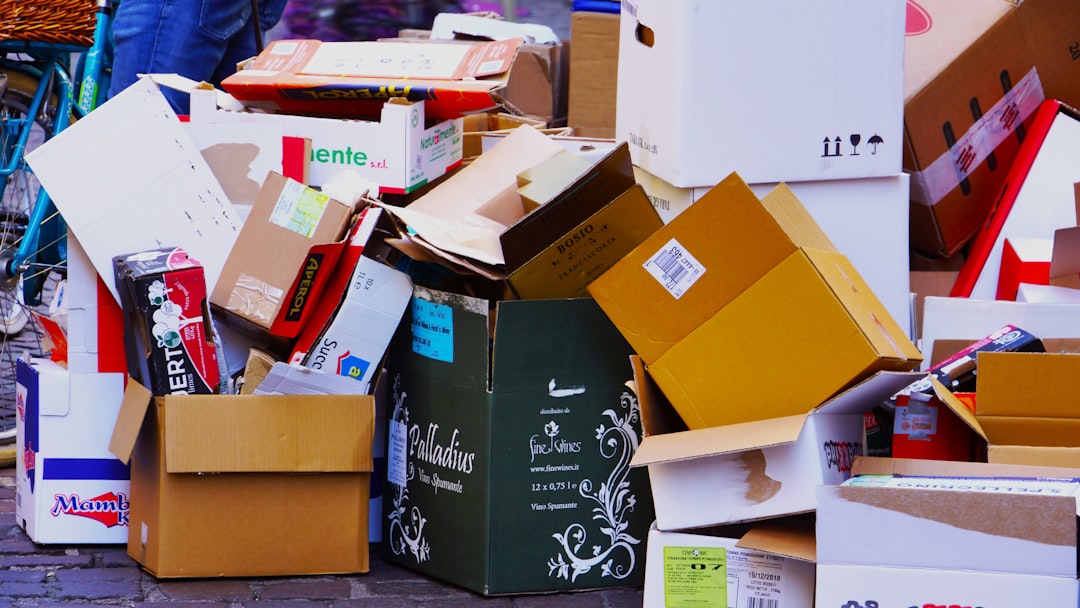
Insured house clearance professionals across Somerset, Wiltshire, and West Sussex are held to high safety standards due to the nature of their work. Essential Safety Gear for Professional Insured House Clearance is a critical component in ensuring operations are conducted safely. These teams frequently encounter hazardous situations, including mold, asbestos, lead paint, and other toxic substances that necessitate specialized equipment.
For example, personal protective equipment (PPE) such as respirators with HEPA filters are crucial to mitigate risks associated with inhaling harmful dust or fumes during demolition or renovation projects. Insulated gloves and clothing shield against electric shock while handling potentially live wires, while robust eye protection prevents debris from penetrating the eyes.
Furthermore, insured house clearance professionals should be equipped with appropriate tools for safe disassembly and removal of materials. This includes heavy-duty cutting equipment, specialized saws for asbestos abatement, and vacuum cleaners designed to capture fine particles effectively. Regular training on the proper use and maintenance of this safety gear is essential. According to a study by the Health and Safety Executive (HSE), lack of adequate training is a leading cause of injuries in the construction sector, making continuous education paramount for insured house clearance professionals in Somerset, Wiltshire, and West Sussex.
In addition to individual protective equipment, proper waste disposal protocols are vital. Insured house clearance professionals must have systems in place to safely collect, transport, and dispose of hazardous materials according to local regulations. Giving us a call at insure property disposal services can provide valuable guidance on navigating these complex requirements. By prioritizing safety through the provision and use of essential safety gear, insured house clearance professionals protect themselves, their clients, and the environment, ensuring responsible and compliant practices throughout Somerset, Wiltshire, and West Sussex.
Emergency Procedures: Responding to On-Site Hazards

Emergency Procedures: Responding to On-Site Hazards for Insured House Clearance Professionals
For insured house clearance professionals like those providing services in Northamptonshire, North Yorkshire, and Bristol, responding to on-site hazards is a critical component of their work. These situations can range from structural failures that make a property unsafe to hazardous materials requiring specialized handling. Implementing robust emergency procedures ensures the safety of both the clearance team and the general public, while minimizing disruption and damage.
When facing an on-site hazard, insured house clearance professionals should follow a structured approach. First, conduct a thorough risk assessment to identify potential dangers. This includes evaluating structural integrity, the presence of asbestos or other hazardous materials, and any immediate safety concerns. Based on this assessment, teams can develop tailored strategies for mitigation and safe removal. In cases where the property is severely compromised, it may be necessary to evacuate the area and coordinate with local emergency services.
For instance, in 2020, a study by the UK’s Health and Safety Executive (HSE) highlighted the importance of proper training and protocols in handling hazardous materials during house clearance. The report underscored the need for professionals to be equipped with knowledge of common hazardous substances and appropriate decontamination procedures. By adhering to these guidelines, Northamptonshire insured house clearance professionals, North Yorkshire insured house clearance professionals, and Bristol insured house clearance professionals can effectively manage risks and ensure a safe working environment.
Beyond internal protocols, collaboration with specialized asset removal services can further enhance safety. Visiting us at specialized insured asset removal allows teams to access expert advice and resources for handling complex or potentially dangerous materials. This collaborative approach not only ensures compliance with environmental regulations but also prioritizes the well-being of everyone involved. By combining thorough risk assessment, tailored strategies, and partnerships with specialists, insured house clearance professionals can confidently navigate on-site hazards, ensuring a safe and successful clearance process.
Legal Obligations and Liability Insurance for Clearance Professionals
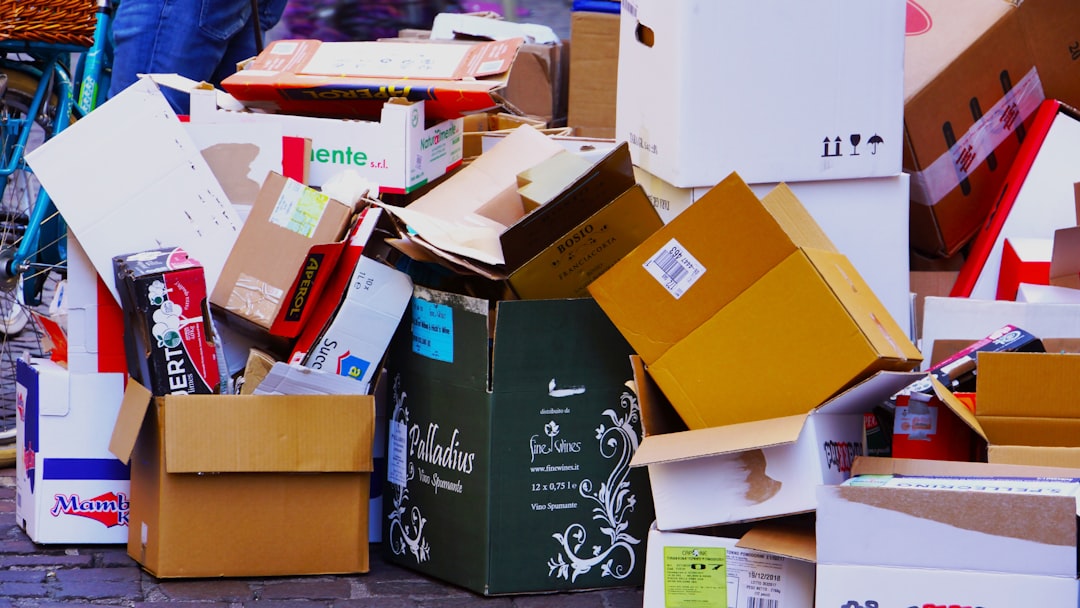
Safety protocols for professional clearance teams, including insured house clearance professionals from Somerset, Hampshire, and Bristol, involve a complex interplay of legal obligations and liability insurance. As these teams navigate the intricate process of clearing properties—whether it’s a historic building undergoing renovation or a post-disaster site—they must adhere to stringent regulations designed to protect both occupants and workers. The consequences of non-compliance can be severe, leading to significant financial losses, reputational damage, and even legal liability.
In the UK, for instance, insured house clearance professionals operating in Somerset, Hampshire, and Bristol are subject to Health and Safety Executive (HSE) guidelines, which set out clear responsibilities for risk assessment, method statements, and training. Moreover, these teams must consider specific challenges unique to their work, such as hazardous materials, confined spaces, and the potential for unexpected structural issues. Legal obligations extend beyond health and safety; they also encompass data protection, environmental considerations, and contractual agreements with clients.
Liability insurance plays a pivotal role in mitigating risks for insured property deconstruction experts. Comprehensive coverage protects against claims of property damage, personal injury, or death that may arise during operations. Policies typically include general liability, professional indemnity, and workers’ compensation, each tailored to address distinct scenarios. For instance, general liability covers accidents on-site, while professional indemnity protects against negligence in planning, design, or execution of clearance tasks. By ensuring adequate insurance, insured house clearance professionals from Bristol, Somerset, and Hampshire can demonstrate their commitment to safety and responsible practices to clients and regulatory bodies alike.
To stay compliant and protect their businesses, insured house clearance professionals should regularly review policy terms, consult with legal experts, and adapt protocols as new regulations emerge. Engaging in continuous professional development, participating in industry forums, and staying informed about best practices are equally important. By embracing these measures, insured property deconstruction experts from across the UK can contribute to a safer working environment while providing high-quality services that meet—and exceed—client expectations.
Best Practices for Secure Disposal and Recycling Post-Clearance

After successfully clearing a property of hazardous or personal items, insured house clearance professionals like those based in Somerset, Surrey, and Oxfordshire face a critical next step: secure disposal and recycling. This phase is not just about environmental responsibility; it’s a cornerstone of their professional ethics and legal obligations. Best practices for this stage involve adhering to stringent regulations and employing advanced methods that minimize the ecological impact of clearing operations.
Somerset, Surrey, and Oxfordshire insured house clearance professionals have unique challenges due to the diverse nature of properties they serve. For instance, while clearing an estate in Somerset, they may encounter historical artifacts requiring special handling and recycling to prevent precious materials from ending up in landfills. Similarly, Surrey’s professionals might face electronics that need to be recycled according to EU directives to avoid leaching toxic substances into the environment. Oxfordshire teams could come across hazardous waste like asbestos or lead paint, necessitating adherence to Health & Safety Executive (HSE) guidelines for safe disposal and recycling.
To ensure responsible post-clearance practices, professionals should implement a robust framework. This includes partnering with licensed waste management companies that comply with Environmental Protection Agency (EPA) standards, using specialized containers for different types of waste, and maintaining detailed records of all materials removed from the property. For instance, find us at house clearance for insured losses and ensure we work with providers who employ advanced sorting technologies to separate recyclables accurately. Moreover, professionals should stay updated on local recycling programs and regulations specific to Somerset, Surrey, or Oxfordshire, tailoring their disposal methods accordingly.
In conclusion, this article has underscored the critical importance of robust safety protocols for insured house clearance professionals, who navigate potentially hazardous situations daily. Key insights include the necessity of comprehensive risk assessment to anticipate and mitigate risks, the vital role of specialized safety gear in protecting personnel, and the implementation of rigorous emergency procedures for swift on-site hazard management. Furthermore, understanding legal obligations and maintaining liability insurance is imperative to safeguard both professionals and clients. Best practices for secure disposal and recycling post-clearance not only ensure environmental stewardship but also contribute to the overall efficiency and professionalism of insured house clearance services. By adhering to these guidelines, industry professionals can enhance safety, minimize liabilities, and provide superior services, reinforcing their position as trusted experts in the field.